

Planning a Tanzania safari in 2026? Let me give you the straight talk about costs, no fluff, just the real numbers you need to know.
After organizing safaris for hundreds of travelers and working closely with local Tanzanian operators, I’ve seen every pricing structure imaginable. The biggest mistake people make? Focusing only on the daily rate and ignoring the dozen other expenses that add up fast.
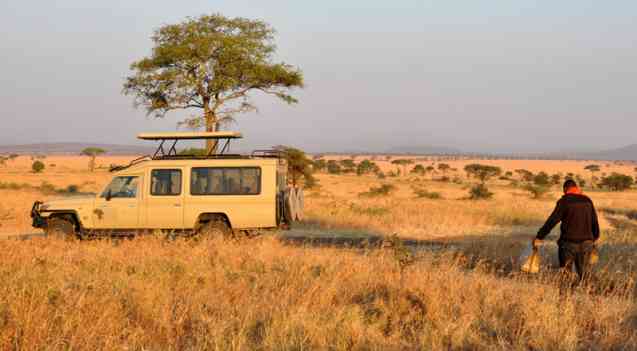
A Tanzania safari cost between $100 to $400+ per person per day in 2026. But that’s just the starting point. Your final bill depends on park fees, accommodation style, group size, and those “optional” experiences you won’t want to miss.
This guide breaks down every cost category so you can budget accurately and avoid surprises.
Tanzania Safari Price Breakdown: What You’re Actually Paying For
Your safari package typically includes several components. Here’s what makes up that daily rate:
1. Park Entry and Conservation Fees
This is where Tanzania gets expensive — and it’s non-negotiable. These fees fund wildlife conservation and go directly to Tanzania National Parks (TANAPA) or the Ngorongoro Conservation Area Authority (NCAA).
2026 Tanzania National Park Fees (Per Person, Per Day):
Park/ReserveAdult Fee (USD)Child Fee (5-15 yrs)Vehicle FeeNotesSerengeti National Park$70$20$300/dayMost popular parkNgorongoro Crater$70 + $295 crater descent$20 + $295IncludedCrater fee is per vehicleTarangire National Park$50$10$150/dayBudget-friendly optionLake Manyara National Park$50$10$150/dayGood for birdwatchingArusha National Park$50$10$150/dayGreat for day tripsKilimanjaro National Park$70$20N/AFor trekking onlyMount Meru$50$10N/AAlternative trekRuaha National Park$40$20$150/daySouthern circuitNyerere (Selous)$50$30$250/daySouthern circuitKatavi National Park$40$20$150/dayRemote southern parkMikumi National Park$30$15$150/dayBudget southern option
Important Notes:
- Fees are charged for every 24-hour period
- If you enter at 3 PM and stay until next morning, you pay for two days
- All fees must be paid via credit card (no cash accepted at park gates)
- VAT (18%) is NOT included in these rates and is added at payment
- Fees are per person AND per vehicle
Example Cost Calculation:
A 3-day Serengeti + Ngorongoro safari for 2 people:
- Serengeti entry: $70 × 2 people × 2 days = $280
- Ngorongoro entry: $70 × 2 people × 1 day = $140
- Ngorongoro crater descent: $295 × 1 vehicle = $295
- Vehicle fees: $300 × 2 days (Serengeti) + included (Ngorongoro) = $600
- Total park fees alone: $1,315
- Add 18% VAT: $1,551.70
That’s before accommodation, food, guide, or transport from the airport.
2. Accommodation Costs
Where you sleep makes the biggest difference in your safari budget.
Budget Camping ($30-80 per person/night): Public campsites inside national parks with basic facilities. You’ll need a full camping crew (cook, tent setup). Total safari cost: $200-350/day.
Mid-Range Lodges ($150-300 per person/night): Comfortable lodges or permanent tented camps just outside park boundaries. Private bathrooms, good food, swimming pools. Total safari cost: $350-550/day.
Luxury Tented Camps ($400-800 per person/night): Mobile camps or premium lodges inside parks. All-inclusive packages with gourmet meals, premium drinks, and expert guides. Total safari cost: $600-900+/day.
Ultra-Luxury ($1,000-2,500+ per person/night): Private conservancies, butler service, exclusive game drives, spa treatments. Total safari cost: $1,200-3,000+/day.
3. Transport and Vehicle Costs
Safari Vehicle Types:
- 4×4 Land Cruiser (6-7 seats): Standard for most safaris, pop-up roof for photography
- 4×4 Land Rover (6 seats): Slightly more comfortable, better suspension
- Minivan (7 seats): Budget option, less suitable for rough terrain
Vehicle costs are shared among passengers. A Land Cruiser typically costs $150-250/day plus fuel.
Group Size Impact on Cost:
This is crucial for budget planning:
- Solo traveler: Pays full vehicle cost alone = $400-600/day total
- 2 people: Split vehicle cost = $300-450/day per person
- 4 people: Split vehicle cost = $250-350/day per person
- 6 people: Split vehicle cost = $200-300/day per person
Joining a group safari can cut your costs by 40-60%.
4. Guide and Driver Fees
Professional safari guides are included in package prices, but their expertise varies:
- Budget safaris: Driver-guides with basic training
- Mid-range safaris: Experienced guides, decent wildlife knowledge
- Luxury safaris: Expert naturalist guides, often with specialized training (birding, photography)
Guide salaries are built into your package cost, but tips are extra (covered below).
5. Meals and Drinks
Budget safaris: Basic meals prepared by camp cook, bottled water included Mid-range: Three full meals daily, tea/coffee, limited soft drinks Luxury: Gourmet cuisine, premium alcohol, special dietary requests accommodated
Most packages include all meals during the safari. Budget $10-30/day for extra drinks and snacks outside the vehicle.
Northern Circuit vs Southern Circuit: Cost Comparison
Tanzania has two main safari circuits with very different price points.
Northern Circuit (Serengeti, Ngorongoro, Tarangire, Lake Manyara)
Pros:
- Best wildlife viewing year-round
- Excellent infrastructure and accommodation options
- Easy access from Kilimanjaro/Arusha airports
- Great Migration (seasonal)
Cons:
- More crowded, especially July-October
- Higher park fees
- More commercialized
Typical Costs:
- Budget: $250-350/day
- Mid-range: $400-600/day
- Luxury: $700-1,200/day
Southern Circuit (Ruaha, Nyerere/Selous, Katavi, Mikumi)
Pros:
- Remote and uncrowded
- Lower park entry fees
- More exclusive experience
- Excellent predator sightings in Ruaha
Cons:
- Requires internal flights ($200-400 per flight)
- Fewer accommodation options
- Some parks closed during April-May rains
- Less accessible
Typical Costs:
- Budget options limited
- Mid-range: $500-750/day
- Luxury: $800-1,500/day
Why Southern Circuit Costs More:
The lower park fees are offset by mandatory flight costs. A 5-day southern circuit safari requires 2-3 internal flights at $200-400 each. You’ll also pay premium rates for the limited lodge options in remote areas.
However, if you value exclusivity and hate crowds, the southern circuit delivers an experience that feels like Africa did 30 years ago.
Hidden Costs and Extra Fees You Must Budget For
Here’s where safaris get expensive if you’re not prepared.
1. Tanzania Visa Costs
Most nationalities need a visa for Tanzania.
- Tourist Visa: $50 USD (single entry, 90 days)
- US Citizens: $100 USD
- Apply online: via Tanzania Immigration website before arrival
- Payment: Credit card or cash at airport
Get your visa before you fly — airport lines can be long.
2. International Flights
Not technically a safari cost, but the biggest expense for most travelers.
Typical flight costs to Kilimanjaro (JRO) or Dar es Salaam (DAR):
- From Europe: $600-1,200
- From Middle East: $400-900
- From North America: $900-1,800
- From Asia: $600-1,400
Book 3-6 months in advance for best rates. Use Google Flights to track prices.
3. Domestic Flights (For Southern Circuit or Zanzibar)
- Arusha to Dar es Salaam: $150-300
- Arusha to Zanzibar: $120-250
- Dar to Ruaha/Selous: $200-400
- Arusha to Serengeti (Seronera): $200-350
Coastal Aviation, Auric Air, and Precision Air operate most routes. Book through your safari operator for better rates.
4. Tips and Gratuities
Tipping is expected and represents a significant part of safari staff income.
Standard Tipping Guidelines (USD per day):
- Safari guide/driver: $20-30 per group (not per person)
- Camp/lodge staff: $10-15 per person
- Cook (camping safari): $10-15 per group
- Porters/general camp staff: $5-10 per group
Example: For a 4-person group on a 5-day safari:
- Guide: $30 × 5 days = $150 total ($37.50 per person)
- Camp staff: $15 × 5 days × 4 people = $300 total
- Total tips: $450 ($112.50 per person)
Bring cash in USD for tips — small bills ($5, $10, $20) are most useful.
5. Travel Insurance
Comprehensive travel insurance is non-negotiable for Tanzania.
Expect to pay $50-150 per person depending on trip length and age. Your policy should cover:
- Medical evacuation (essential — nearest trauma hospital may be hours away)
- Trip cancellation
- Lost luggage
- Safari cancellation due to weather or flight delays
World Nomads and SafetyWing are popular with travelers. Medical evacuation alone can cost $50,000+ without insurance.
6. Vaccinations and Medical Preparations
Required:
- Yellow fever vaccination (if coming from endemic countries) — $150-250
Recommended:
- Hepatitis A & B — $100-200
- Typhoid — $80-120
- Malaria prophylaxis — $50-150 for course
Additional medical items to budget:
- Antimalarial medication (Malarone, doxycycline): $50-150
- Travel medical kit: $30-50
- Prescription medications: bring 2× what you need
Total medical prep costs: $200-500 per person.
7. Optional Experiences and Add-Ons
These “extras” often become the highlight of your trip.
Hot Air Balloon Safari:
- Serengeti: $550-600 per person
- Tarangire: $500-550 per person
- Ruaha: $550 per person
Includes champagne breakfast after landing. Book months in advance — they sell out fast during peak season.
Cultural Tours:
- Maasai village visit: $20-50 per person
- Hadzabe tribe hunting experience: $50-100 per person
- Datoga blacksmith demonstration: $30-60 per person
- Coffee plantation tour (Arusha): $25-40 per person
Most cultural tours last 2-4 hours and provide authentic insight into local communities.
Walking Safaris:
- Half-day walk: $50-100 per person
- Full-day walk: $100-200 per person
- Multi-day walking safari: $400-600/day
Available in Tarangire, Ruaha, and some private conservancies. Not permitted in Serengeti or Ngorongoro Crater.
Night Game Drives:
- Cost: $30-80 per person
- Only allowed in private conservancies and some areas
- Excellent for spotting nocturnal animals (leopards, civets, bush babies)
Photography Safaris: Specialized safaris with professional photographer guides and modified vehicles (bean bags, extra space, guaranteed window seats).
- Cost: $800-1,200/day
- Best operators: Safari Infinity, Alex Walker’s Serian
- Worth it for serious photographers
Birding Safaris: Tanzania has 1,000+ bird species, making it a birding paradise.
- Specialist birding guide: Additional $50-100/day
- Best parks: Lake Manyara, Tarangire, Nyerere
- Best season: November-April (migratory species present)
Fishing Safaris:
- Lake Tanganyika fishing: $150-300/day
- Fly fishing in northern highlands: $200-400/day
8. Souvenirs and Personal Shopping
Budget $50-200 for souvenirs depending on your shopping habits.
Typical items:
- Maasai blankets: $20-50
- Carved wooden animals: $5-30
- Tanzanite jewelry: $50-500+ (negotiate hard)
- Coffee beans: $10-20 per bag
- Paintings and artwork: $30-200
Negotiate prices at markets — initial asking prices are often 2-3× reasonable amounts.
9. Airport Transfers
Often not included in safari packages.
- Kilimanjaro Airport to Arusha: $50-80 (1 hour)
- Dar es Salaam Airport to city: $30-50 (30 mins)
- Private transfers vs shared shuttles: Private costs 50-100% more but more convenient
Many operators include airport transfers if you book a safari — ask before paying separately.
10. Drinks and Alcohol
Unless you’re on an all-inclusive luxury safari:
- Bottled water: Usually included
- Soft drinks: $2-3 at lodges
- Beer: $3-5
- Wine: $30-60 per bottle
- Spirits: $5-8 per drink
Budget lodges and camps typically don’t include alcohol. Mid-range usually includes house wine and beer with dinner. Luxury includes premium drinks.
Budget $10-30/day for drinks if not included.
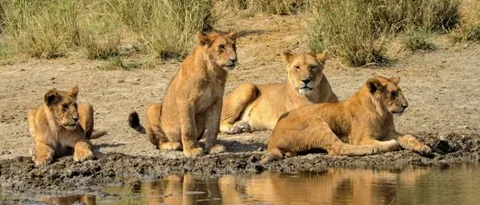
Sample Tanzania Safari Budgets for 2025
Let me break down three realistic safari examples so you can see how costs add up.
Budget Camping Safari (5 Days/4 Nights)
Itinerary: Tarangire (1 day) → Serengeti (2 days) → Ngorongoro Crater (1 day)
Costs for 2 people:
- Safari package (camping): $1,400 ($350/day × 4 days)
- Park fees with VAT: $1,890
- Tips: $225
- Visa (2 people): $100
- Insurance: $200
- Vaccinations: $400
- Flights (per person): $1,200 × 2 = $2,400
- Airport transfers: $100
- Extras/souvenirs: $200
Total: $6,515 ($3,257.50 per person)
Mid-Range Lodge Safari (7 Days/6 Nights)
Itinerary: Tarangire (1 day) → Serengeti (3 days) → Ngorongoro Crater (1 day) → Lake Manyara (1 day)
Costs for 2 people:
- Safari package: $3,360 ($480/day × 7 days)
- Park fees with VAT: $2,832
- Hot air balloon (1 person): $600
- Maasai village visit: $60
- Tips: $350
- Visa: $100
- Insurance: $250
- Vaccinations: $400
- Flights: $2,400
- Airport transfers: $100
- Extras/drinks: $300
Total: $10,752 ($5,376 per person)
Luxury Safari (6 Days/5 Nights)
Itinerary: Tarangire (1 night) → Serengeti (3 nights) → Ngorongoro Crater (1 night)
Costs for 2 people:
- Safari package (all-inclusive luxury): $5,400 ($900/day × 6 days)
- Park fees with VAT: $2,478
- Hot air balloon (2 people): $1,200
- Walking safari: $200
- Cultural tours: $150
- Tips: $450
- Visa: $100
- Insurance: $300
- Vaccinations: $400
- Flights: $2,400
- Airport transfers: $150
- Extras: $200
Total: $13,428 ($6,714 per person)
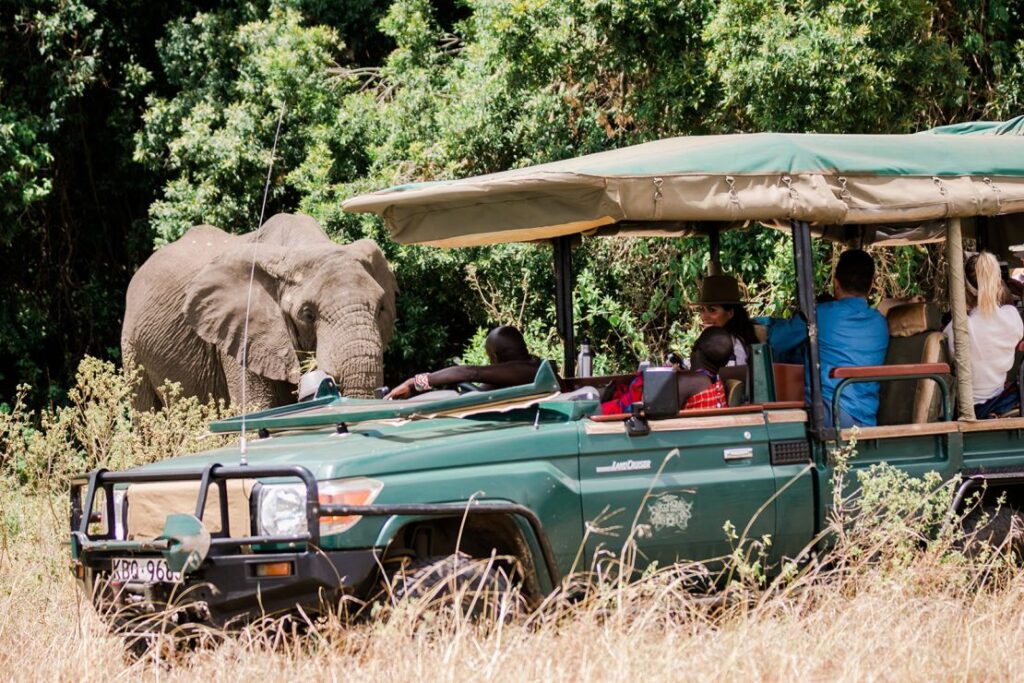
How to Reduce Your Tanzania Safari Costs Without Sacrificing Experience
After booking dozens of safaris, here are my proven strategies for getting more value:
1. Travel During Shoulder Season
Peak Season (July-September, December-February):
- Highest prices
- Crowded parks
- Best weather
- Great Migration in Serengeti
Shoulder Season (March-May, November):
- 20-40% lower prices
- Fewer tourists
- Some rain (mostly afternoon showers)
- Green landscapes and baby animals (March-May)
March-May is called “green season” or “emerald season” — marketing terms for rainy season. But the reality is far better than it sounds. Morning game drives are typically dry, landscapes are lush, and animals have newborn babies. Plus you’ll have the Serengeti almost to yourself.
2. Join a Group Safari
This is the single biggest cost-saver. Joining an existing group or booking a scheduled departure can reduce costs by 30-50% compared to private safaris.
Many operators offer guaranteed departures with set dates where you share a vehicle with 4-6 other travelers. You lose some flexibility but gain significant savings.
3. Skip the Serengeti (Controversial, I Know)
The Serengeti is magical, but the high park fees ($70/day + $300 vehicle fee) make it expensive. Consider alternatives:
- Tarangire: Excellent elephant viewing, $20 less per day
- Ruaha (Southern Circuit): Better predator sightings, fewer tourists
- Private conservancies near Serengeti: Same ecosystem, lower fees, more activities
A Tarangire + Ngorongoro safari can be 25% cheaper than Serengeti + Ngorongoro with equally impressive wildlife.
4. Book Directly with Local Operators
Avoid international booking agencies and tour aggregators. They add 20-40% commission to your final cost.
Work directly with Tanzania-based safari companies. They provide the same service at lower prices because they’re not paying middleman commissions.
How to find reputable local operators:
- TripAdvisor reviews (look for consistency, not just star ratings)
- SafariBookings.com ratings
- Personal recommendations
- Check they’re licensed with Tanzania Tourist Board
5. Choose Strategic Accommodation Locations
Lodges inside national parks are convenient but expensive. Staying just outside park boundaries can save $50-150 per night while adding only 15-30 minutes to your morning drive.
Examples:
- Stay in Karatu instead of Ngorongoro Crater rim
- Lodges near Tarangire gate rather than inside
- Arusha instead of Lake Manyara area
6. Opt for Fewer Parks, More Time
Instead of a whirlwind 5-parks-in-7-days itinerary, spend more time in fewer places:
Standard itinerary: Tarangire (1 day) → Lake Manyara (1 day) → Serengeti (2 days) → Ngorongoro (1 day) Cost per day: Higher (lots of driving, multiple park fees)
Better value: Tarangire (2 days) → Serengeti (3 days) → Ngorongoro (1 day) Cost per day: Lower (less driving, more game time, deeper experience)
7. Pack Smart to Avoid Extra Baggage Fees
If you’re taking internal flights (especially to southern circuit or Zanzibar), airlines have strict weight limits — often just 15kg (33 lbs) including carry-on.
Extra baggage costs $5-10 per kg and adds up fast. Pack light:
- Neutral-colored, quick-dry clothing
- Layers for cold mornings
- Good camera gear (essential)
- Skip heavy guidebooks (download PDFs)
8. Negotiate Tips with Your Group
If joining a group safari, discuss tipping expectations upfront with other travelers. Pooling tips ensures fair compensation for guides without anyone overpaying.
Some groups tip too generously out of social pressure. Others tip too little out of ignorance. Establish a group standard based on service quality.
9. Bring Cash in Small USD Bills
Many expenses (tips, souvenirs, village visits) require cash. Bring:
- $500-800 in small bills ($1, $5, $10, $20)
- Bills printed after 2006 (older notes often rejected)
- Crisp, undamaged bills (torn or marked bills may be refused)
ATMs in Tanzania are unreliable, especially in remote areas. Safari camps rarely have ATM access.
10. Skip Unnecessary Extras
Be honest about what you’ll actually enjoy vs. what sounds good on paper:
Probably worth it:
- Hot air balloon safari (once-in-a-lifetime)
- Cultural visits (authentic connection)
- One special splurge dinner
Maybe skip:
- Photography safari unless you’re a serious photographer
- Night drives in crowded areas (better value in private conservancies)
- Multiple cultural tours (one is usually enough)
Special Safari Types: What They Cost
Photography Safaris
Designed for serious photographers with specialized equipment and knowledge.
Features:
- Modified vehicles with more space and guaranteed window seats
- Professional photographer guides who understand lighting and animal behavior
- Flexible timing for golden hour and blue hour shots
- Slower pace, more time at sightings
- Maximum 4 people per vehicle (vs. standard 6-7)
Cost: $800-1,200 per person/day
Best operators: Safari Infinity, Asilia Africa, Alex Walker’s Serian
Worth it if: You have professional gear and photography is your primary safari goal. Not worth it for casual phone/point-and-shoot photographers.
Birding Safaris
Tanzania is a birding paradise with 1,100+ species, including numerous endemics.
Features:
- Specialist ornithologist guides
- Focus on diverse habitats (wetlands, forests, savanna)
- Slower pace with more walking
- Early morning starts (birds most active at dawn)
Cost: Additional $50-100/day for specialist guide
Best seasons:
- November-April (Palearctic migrants present)
- Year-round residents always spectacular
Best locations: Lake Manyara, Tarangire, Nyerere, Arusha National Park
Walking Safaris
Experience the bush on foot with armed rangers — one of the most exhilarating safari experiences.
Where permitted:
- Tarangire National Park
- Ruaha National Park
- Private conservancies
- NOT in Serengeti or Ngorongoro Crater
Typical format:
- Half-day: $50-100 per person
- Full-day: $100-200 per person
- Multi-day mobile walking camps: $400-600/day
What makes walking special: You notice everything — tracks, insects, plants, smells. The adrenaline of being on foot among dangerous animals is unforgettable.
Horseback Safaris
Explore the bush on horseback in private conservancies and community areas.
Cost: $150-300 per person/day
Best locations:
- Arusha region
- Ngorongoro Highlands
- Private conservancies near Arusha
Requirements: Intermediate to advanced riding skills usually necessary
Fly-Camping Safaris
Ultra-remote camping with minimal infrastructure — you sleep under mosquito nets beneath the stars.
Cost: $500-800 per person/night (all-inclusive)
What’s included:
- Setup/breakdown by camp crew
- Bush meals cooked over open fire
- Armed askari (guard) for safety
- Walking safaris
Best for: Adventurous travelers wanting authentic bush immersion
Understanding What’s Included vs. What’s Extra
Safari package descriptions can be confusing. Here’s how to decode them:
“Full Board” Means:
✅ Breakfast, lunch, dinner ✅ Tea, coffee, drinking water
❌ Alcohol (unless specified)
❌ Soft drinks (usually)
❌ Snacks between meals
“All-Inclusive” Means:
✅ All meals
✅ Drinking water, tea, coffee
✅ House wine, beer, soft drinks
✅ Some premium spirits
❌ Premium imported alcohol
❌ Champagne (usually)
Standard Safari Package Includes:
✅ Accommodation as specified ✅ All meals during safari ✅ Park entry fees (always verify this) ✅ Safari vehicle and fuel ✅ Professional driver-guide ✅ Drinking water in vehicle ✅ Game drives as per itinerary
Standard Safari Package EXCLUDES:
❌ International flights
❌ Visa fees
❌ Travel insurance
❌ Tips and gratuities
❌ Personal expenses
❌ Optional activities (balloon, cultural tours)
❌ Drinks (unless all-inclusive)
❌ Airport transfers (sometimes)
Always ask for a detailed “inclusions and exclusions” list before booking.
Money Matters: Cash, Cards, and Currency in Tanzania
What Currency Should You Bring?
US Dollars are king in Tanzania for safari-related expenses. Bring cash for:
- Tips ($500-800 depending on safari length)
- Small purchases at lodges
- Souvenirs and crafts
- Cultural visit fees
Tanzanian Shillings (TZS) are useful for:
- Local markets
- Street food
- Taxis in towns
- Very small purchases
Exchange rate (October 2025): 1 USD ≈ 2,500 TZS
USD Bill Requirements
Tanzania is particular about USD bills:
✅ Acceptable:
- Bills printed 2006 or later
- Crisp, undamaged notes
- All denominations
❌ Often Rejected:
- Pre-2006 bills (especially $100s)
- Torn, marked, or stamped bills
- Heavily worn or dirty bills
Where to Exchange Money
Best rates:
- Forex bureaus in Arusha or Dar es Salaam
- Your hotel (reasonable rates, convenient)
Avoid:
- Airport exchange counters (poor rates)
- Street money changers (risk of scams)
ATMs in Tanzania
ATMs exist in major towns but:
- Often run out of cash
- Charge high fees ($5-7 per withdrawal)
- Daily limits (usually $300-500 equivalent)
- Unreliable in safari areas
Don’t rely on ATMs for your safari trip.
Credit Cards
Accepted at:
- Luxury lodges and hotels
- Larger restaurants in cities
- Tour operators for booking
NOT accepted at:
- Park gates (card payment required but different system)
- Bush camps
- Most markets and shops
- For tips
Visa and Mastercard work better than Amex or Discover.
Best Time to Safari: Balancing Cost and Experience
Your travel timing dramatically affects both cost and wildlife viewing.
Peak Season (July-October)
Wildlife: Best time for predator sightings and the Great Migration river crossings
Weather: Dry, sunny, pleasant temperatures
Costs: Highest rates (30-50% premium)
Crowds: Busy, especially Serengeti and Ngorongoro
Book: 6-12 months in advance
Shoulder Season (November & March-May)
Wildlife: Excellent viewing, baby animals in March-May, fewer tourists
Weather: Some afternoon rain (usually doesn’t interfere with morning drives)
Costs: 20-40% lower than peak
Crowds: Moderate to low
Book: 2-4 months in advance
My take: The shoulder seasons offer fantastic value. The “long rains” (March-May) sound scary but are actually lovely — green landscapes, dramatic skies, and incredible photography light.
Low Season (April-May)
Wildlife: Still good (animals don’t leave, they’re just harder to spot in tall grass)
Weather: Wettest months with afternoon thunderstorms
Costs: Lowest rates (some lodges close entirely)
Crowds: Very few tourists
Book: 1-2 months ahead sufficient
Considerations: Some roads become impassable; fewer camp options available
Great Migration Timing
If seeing the migration is your priority:
- December-March: Calving season in southern Serengeti (my favorite period)
- April-June: Migration moves northwest
- July-October: River crossings in northern Serengeti (most dramatic but crowded)
- November: Short rains, migration disperses
How to Choose a Safari Operator: Red Flags and Green Flags
This might be the most important section — choosing the wrong operator can ruin your trip.
Green Flags (Good Signs):
✅ Licensed by Tanzania Tourist Board
✅ Detailed, transparent pricing breakdown
✅ Responds promptly to questions
✅ Customizes itinerary to your interests
✅ Discusses accommodation options in detail
✅ Provides references or reviews
✅ Has office/base in Tanzania
✅ Explains what’s included/excluded clearly
✅ Discusses guide qualifications
✅ Reasonable payment terms (deposit + balance, not 100% upfront)
Red Flags (Warning Signs):
🚩 Prices significantly lower than competitors (usually means hidden costs)
🚩 Pressure to book immediately
🚩 Vague about accommodations or uses stock photos
🚩 Poor English communication (guides must speak good English)
🚩 100% payment required upfront
🚩 No physical address or phone number
🚩Generic email domain (not company domain)
🚩 Can’t provide license/registration numbers
🚩Promises “guaranteed” animal sightings
🚩 Unwilling to put everything in writing
Questions to Ask Before Booking:
- Are park fees included in the quoted price? (Often they’re not)
- What’s the maximum group size? (6-7 is standard; less is better)
- What type of vehicle will we use? (Land Cruiser is standard)
- What’s your cancellation policy?
- Are you bonded/insured?
- Can I speak with a recent client?
- What’s included for meals and drinks?
- Do you have backup vehicles? (Essential in remote areas)
- What is your guide-to-guest ratio?
- Is there a first aid kit and emergency communication in the vehicle?
Getting Quotes from Multiple Operators
Request detailed quotes from 3-5 operators. Don’t just compare total price — compare what’s included.
Operator A quotes $2,800 but excludes park fees ($1,200) = $4,000 total Operator B quotes $3,600 including park fees = $3,600 total
Operator B is actually cheaper.
Sample Itineraries with Full Cost Breakdowns
Let me show you exactly what different safari styles cost.
Classic Northern Circuit (7 Days/6 Nights) – Mid-Range
Itinerary:
- Day 1: Arrive Kilimanjaro, transfer to Arusha
- Day 2: Tarangire National Park
- Day 3-5: Serengeti National Park (3 days)
- Day 6: Ngorongoro Crater
- Day 7: Depart
For 4 people sharing (per person costs):
Base package: $475/day × 7 days = $3,325
- Accommodations: Mid-range lodges
- All meals included
- 4×4 Land Cruiser
- Professional guide
- Park fees INCLUDED
Additional costs per person:
- International flight: $1,200
- Visa: $50
- Travel insurance: $125
- Vaccinations: $200
- Hot air balloon (optional): $575
- Maasai village visit: $30
- Tips: $180
- Souvenirs/extras: $100
- Airport transfer: $25
Total per person: $5,810
Total for 4 people: $23,240
Cost breakdown percentage:
- Safari package (base): 57%
- Flights: 21%
- Park fees (included in package): Covered
- Optional activities: 10%
- Other expenses: 12%
Budget Camping Safari (5 Days/4 Nights)
Itinerary:
- Day 1: Arusha to Tarangire, camp inside park
- Day 2: Tarangire to Serengeti, camp at Seronera
- Day 3: Full day Serengeti
- Day 4: Serengeti to Ngorongoro, camp on crater rim
- Day 5: Crater tour, return to Arusha
For 6 people sharing (per person costs):
Base package: $280/day × 5 days = $1,400
- Public campsites
- Camping equipment provided
- Camp cook and meals
- 4×4 Land Cruiser
- Driver-guide
- Park fees NOT included
Park fees per person (including VAT):
- Tarangire: $50 × 1 day = $50
- Serengeti: $70 × 2 days = $140
- Ngorongoro: $70 + crater fee portion = $140
- Vehicle fees (divided by 6): $95
- Total park fees with VAT: $502
Additional costs per person:
- International flight: $1,100
- Visa: $50
- Travel insurance: $100
- Vaccinations: $200
- Tips: $90
- Souvenirs: $50
- Airport transfer (shared): $15
Total per person: $3,507
Total for 6 people: $21,042
This is the most affordable way to experience Tanzania’s best parks while still getting excellent wildlife viewing.
Luxury Safari with Zanzibar Extension (10 Days/9 Nights)
Itinerary:
- Day 1: Arrive Kilimanjaro, luxury hotel Arusha
- Day 2-3: Tarangire luxury tented camp (2 nights)
- Day 4-6: Serengeti luxury mobile camp (3 nights)
- Day 7: Ngorongoro Crater Lodge (1 night)
- Day 8-10: Zanzibar beach resort (3 nights)
For 2 people (per person costs):
Safari package: $850/day × 7 safari days = $5,950
- Top-tier luxury accommodations
- All-inclusive (meals, premium drinks, laundry)
- Private guide and vehicle
- Park fees INCLUDED
- Walking safaris included
Zanzibar extension: $350/night × 3 nights = $1,050
- 5-star beach resort
- All meals and drinks
- Water sports
Flights:
- International: $1,400
- Arusha to Zanzibar: $220
- Zanzibar to Dar es Salaam: $150
Additional costs:
- Visa: $50
- Travel insurance: $175
- Vaccinations: $200
- Hot air balloon: $600
- Cultural tours: $80
- Tips (safari): $280
- Tips (Zanzibar): $50
- Souvenirs/spa: $200
- Airport transfers: $100
Total per person: $10,505
Total for 2 people: $21,010
This represents a world-class luxury experience with no compromises — private guiding, best accommodations, all premium inclusions, and a beach relaxation component.
Southern Circuit Adventure (8 Days/7 Nights) – Mid-Luxury
Itinerary:
- Day 1: Fly Dar es Salaam to Ruaha
- Day 2-4: Ruaha National Park (3 nights)
- Day 5: Fly to Nyerere (Selous)
- Day 6-7: Nyerere National Park (2 nights)
- Day 8: Fly to Dar es Salaam, depart
For 2 people (per person costs):
Safari package: $680/day × 8 days = $5,440
- Remote luxury tented camps
- Full board plus house drinks
- Game drives and boat safaris
- Park fees INCLUDED
- Walking safaris included
Internal flights:
- Dar to Ruaha: $350
- Ruaha to Nyerere: $320
- Nyerere to Dar: $280
International flight: $1,250
Additional costs:
- Visa: $50
- Travel insurance: $150
- Vaccinations: $200
- Tips: $240
- Fly camping experience (1 night): $200
- Night game drive: $60
- Souvenirs: $100
- Airport transfers: $80
Total per person: $9,720
Total for 2 people: $19,440
The southern circuit costs more due to flight logistics but delivers exclusive, uncrowded wildlife experiences impossible to find in the north.
Cultural Experiences: Costs and What to Expect
Tanzania’s cultural diversity adds incredible depth to any safari. Here’s what these experiences cost and what they involve.
Maasai Village Visits
Cost: $20-50 per person
Duration: 1-2 hours
What’s included:
- Welcome ceremony with traditional singing and jumping
- Village tour showing traditional homes (bomas)
- School visit (if present)
- Demonstration of fire-making and traditional practices
- Craft market (optional purchases)
What to know: Some Maasai villages near popular tourist routes have become commercialized. Ask your operator to recommend authentic community visits where your fees directly support the village. The best experiences are in more remote areas where tourism isn’t the primary income source.
Photography: Always ask permission. Some villages charge extra ($5-10) for photography.
What to bring: Small gifts for children (pens, notebooks, soccer balls) are appreciated but not required. Money from your visit fee goes to community projects.
Hadzabe Tribe Experience
Cost: $50-100 per person
Duration: Half day (usually early morning)
What’s included:
- Join Hadzabe hunters on morning hunt
- Learn bow and arrow making and shooting
- Try traditional honey gathering
- See bush survival skills
- Share stories around the fire
What to know: The Hadzabe are one of the last hunter-gatherer tribes in Africa, living near Lake Eyasi. This is one of the most authentic cultural experiences in Tanzania, as the Hadzabe maintain their traditional lifestyle.
Best combined with: Visit to neighboring Datoga tribe (blacksmiths)
Timing: Early morning starts (5-6 AM) as hunting happens at dawn
Datoga Tribe Visit
Cost: $30-60 per person
Duration: 1-2 hours
What’s included:
- Watch traditional metalworking and jewelry making
- Visit homesteads
- Learn about pastoral lifestyle
- Purchase directly from artisans
What to know: The Datoga are skilled blacksmiths who create beautiful brass jewelry and ornaments. Purchasing directly from them ensures they receive full value for their work.
Coffee Plantation Tours
Cost: $25-40 per person
Duration: 2-3 hours
What’s included:
- Farm tour showing coffee cultivation
- Traditional coffee processing demonstration
- Roasting and grinding session
- Coffee tasting
- Traditional lunch (usually included)
Best locations: Around Arusha and Moshi (Mt. Kilimanjaro foothills)
What to know: These tours happen on actual working farms, not tourist attractions. You’ll learn the entire process from bean to cup and usually end with an incredible traditional Chagga meal.
Purchase opportunity: Fresh coffee beans and grounds at farm prices (much cheaper than shops)
Chagga Village Tours (Mt. Kilimanjaro Area)
Cost: $30-50 per person
Duration: 2-4 hours
What’s included:
- Traditional underground houses tour
- Banana beer brewing demonstration
- Waterfall hike
- Local food preparation
- Village walk
What to know: The Chagga people have lived on Kilimanjaro’s slopes for centuries, developing unique irrigation systems and architecture adapted to the mountain environment.
Cooking Classes and Market Tours
Cost: $40-80 per person
Duration: 3-4 hours
What’s included:
- Morning market visit with guide
- Shopping for ingredients
- Hands-on cooking instruction
- Full meal you’ve prepared
- Recipe cards
Best locations: Arusha, Stone Town (Zanzibar)
What to know: You’ll learn to prepare staples like ugali, sukuma wiki (collard greens), coconut curry, and pilau rice. These classes offer genuine insight into daily Tanzanian life.
Tipping Etiquette: The Complete Guide
Tipping causes more anxiety than any other safari expense. Here’s exactly what to tip and how to do it gracefully.
Safari Guide/Driver
Standard: $20-30 per group per day (NOT per person)
When to tip more ($30-40/day):
- Exceptional wildlife spotting skills
- Goes above and beyond (adjusts schedule for your needs)
- Excellent knowledge and explanations
- Comfortable, safe driving
When to tip less ($15-20/day):
- Basic service with minimal effort
- Poor communication
- Safety concerns
How to give it: On the last day, in an envelope marked with their name. Include a thank-you note if they were excellent.
For private safaris: Higher end of scale For group safaris: Calculate total from all group members
Lodge and Camp Staff
Standard: $10-15 per person per night (divided among all staff)
How it works: Most camps have a communal tip box where the evening manager collects at dinner on your last night. This is divided among:
- Housekeeping
- Waiters and restaurant staff
- Camp managers
- Maintenance staff
- Security
For luxury camps: Higher end ($15-20 per person per night) For budget camps: Lower end ($10 per person per night)
Camp Cook (Camping Safaris)
Standard: $10-15 per group per day
When to tip more:
- Varied, creative meals despite limited equipment
- Accommodates dietary restrictions well
- Clean food preparation
Your camp cook works incredibly hard preparing three meals daily over a camp stove. Good cooks make camping safaris memorable.
Porter Service
Standard: $1-2 per bag
When: If staff carry bags to/from rooms
For airport porters: $1 per bag
Restaurant Service
Standard: 10% of bill if service charge not included
When included: Check the bill — many restaurants add 10-15% service charge automatically
Taxi/Transfer Drivers
Standard: $3-5 for airport transfers For good service or long drives: $5-10
General Tipping Tips
Prepare envelopes in advance: Before your trip, prepare several envelopes and label them (Guide, Camp Staff, etc.). This makes tipping smooth and dignified.
Tip at the end: Give tips on your last day/night, not incrementally.
Cash only: Always tip in cash. USD is preferred, but clean Tanzanian Shillings work too.
Small bills are essential: Bring lots of $5, $10, and $20 bills. Breaking large bills is difficult in remote areas.
Group tipping: If traveling in a group, designate one person to collect tips from everyone and distribute them. This avoids confusion and ensures fair tipping.
Poor service: If service was genuinely poor, you can tip below guidelines or not at all, but discuss with camp management first. Most issues stem from miscommunication, not malice.
Don’t forget:
- Camp askaris (night security guards) — included in communal tip
- Bartenders — included in communal tip
- Activity guides (walking safari guides) — $5-10 per activity
Vaccinations, Health Prep, and Medical Costs
Health preparation is non-negotiable for Tanzania. Here’s the full breakdown.
Required Vaccinations
Yellow Fever:
- Required if: Traveling from or through yellow fever endemic countries
- Cost: $150-250 at travel clinics
- Validity: Lifetime (policy changed from 10 years)
- Documentation: You’ll need your yellow card (International Certificate of Vaccination)
Who needs it: Anyone arriving from: Angola, Argentina, Benin, Bolivia, Brazil, Burkina Faso, Burundi, Cameroon, Central African Republic, Chad, Colombia, Congo, Côte d’Ivoire, DRC, Ecuador, Ethiopia, French Guiana, Gabon, Gambia, Ghana, Guinea, Guinea-Bissau, Guyana, Kenya, Liberia, Mali, Mauritania, Niger, Nigeria, Panama, Paraguay, Peru, Rwanda, Senegal, Sierra Leone, Somalia, South Sudan, Sudan, Suriname, Togo, Trinidad and Tobago, Uganda, Venezuela
If you’re flying directly from Europe, US, or Asia: Not required unless you’ve been in endemic countries in the previous 6 days.
Recommended Vaccinations
Hepatitis A:
- Why: Food and water contamination risk
- Cost: $60-100 per dose (2 doses needed)
- Timing: Second dose 6-12 months after first
Hepatitis B:
- Why: Bodily fluid exposure risk
- Cost: $40-80 per dose (3 doses needed)
- Timing: Get started 6+ months before travel if possible
Typhoid:
- Why: Contaminated food and water
- Cost: $80-120
- Options: Injection (one dose, lasts 2 years) or oral pills (4 doses, lasts 5 years)
Rabies (Pre-exposure prophylaxis):
- Why: Dogs and wildlife risk
- Cost: $250-350 (3-dose series)
- Who needs it: Travelers to remote areas, wildlife enthusiasts, long-term travelers
- Note: If bitten, you still need treatment, but fewer shots required
Tetanus/Diphtheria/Pertussis (Tdap):
- Why: General protection
- Cost: $40-60
- Frequency: Booster every 10 years
Measles/Mumps/Rubella (MMR):
- Why: Outbreaks occur
- Cost: Usually covered by insurance if you weren’t vaccinated as child
- Who needs it: Anyone born after 1957 without proof of immunity
Meningitis:
- Why: Occasional outbreaks in East Africa
- Cost: $100-150
- When: Recommended for long-term travelers or during outbreak seasons
Total vaccination costs: $400-800 depending on what you already have
Malaria Prevention
The reality: Malaria risk exists in most of Tanzania, including safari areas. Take this seriously.
Antimalarial medications:
Malarone (Atovaquone-Proguanil):
- Cost: $100-150 for 2-week supply
- Dosage: One pill daily, start 1-2 days before travel, continue 7 days after
- Pros: Fewer side effects, short course after travel
- Cons: Expensive, daily dosing
Doxycycline:
- Cost: $20-40 for 2-week supply
- Dosage: One pill daily, start 1-2 days before, continue 28 days after
- Pros: Cheap, also prevents certain bacterial infections
- Cons: Sun sensitivity, must continue 28 days after return, can cause stomach upset
Mefloquine (Lariam):
- Cost: $50-80
- Dosage: One pill weekly
- Pros: Weekly dosing, less expensive
- Cons: Significant psychiatric side effects possible (vivid dreams, anxiety, depression)
My recommendation: Malarone for short trips (under 3 weeks), doxycycline for longer trips if you tolerate it well.
Additional malaria prevention:
- DEET insect repellent (30-50% concentration): $10-15
- Permethrin-treated clothing: $15-30
- Sleep under bed nets (provided at all camps)
- Wear long sleeves/pants at dawn and dusk
Altitude sickness medication (if climbing Kilimanjaro):
- Diamox (Acetazolamide): $20-40
- Helps with acclimatization above 8,000 feet
Travel Medical Kit
Essential items ($50-80 total):
- Imodium (anti-diarrheal)
- Oral rehydration salts
- Antibiotic for traveler’s diarrhea (prescription: Ciprofloxacin or Azithromycin)
- Pain relievers (Ibuprofen, Acetaminophen)
- Antihistamine (Benadryl)
- Band-aids and bandages
- Antibiotic ointment
- Antacid tablets
- Motion sickness medication
- Tweezers (for thorns and splinters)
- Thermometer
- Hand sanitizer
- Sunscreen (SPF 50+)
- Lip balm with SPF
Prescription medications: Bring 2× what you need in original containers with prescription labels. Pack in carry-on luggage.
Travel Insurance with Medical Coverage
Comprehensive travel insurance costs: $75-200 per person
Must include:
- Emergency medical evacuation: This is critical. Evacuation from remote safari areas can cost $50,000-100,000. Your policy should cover at least $100,000 in medical evacuation.
- Medical expenses abroad
- Trip cancellation/interruption
- Lost baggage
- Emergency dental
Recommended providers:
- World Nomads (popular with safari travelers)
- Allianz Travel Insurance
- Travel Guard
- SafetyWing (good for digital nomads)
When to buy: Purchase within 14 days of booking your trip to get full coverage including pre-existing conditions.
Total Health Prep Budget
Minimum (with some existing vaccinations): $300-400 Comprehensive (all vaccinations + medications): $800-1,200
This seems expensive, but it’s a tiny fraction of your total safari cost and protects your health and investment.
Visa Requirements and Immigration Costs
Tanzania Tourist Visa
Most nationalities need a visa. Here’s how it works:
Cost by nationality:
- Most countries: $50 USD (single entry, 90 days)
- US citizens: $100 USD (multiple entry, 12 months)
Application options:
1. E-Visa (Recommended):
- Apply online at: https://eservices.immigration.go.tz
- Cost: Same as above + $1 processing fee
- Processing time: 5-10 business days
- Apply 2-4 weeks before travel
- Print approval letter and bring to immigration
2. Visa on Arrival:
- Available at Kilimanjaro, Dar es Salaam, and Zanzibar airports
- Cost: Same as above
- Payment: Credit card or USD cash
- Risk: Long lines (can be 60-90 minutes during peak season)
- Forms: Fill out on plane or at airport
My recommendation: Get the e-visa. Arrival lines can be brutal, especially when multiple international flights land simultaneously.
Documents needed:
- Passport valid for 6+ months beyond travel dates
- Passport photo (upload for e-visa)
- Return flight ticket
- Accommodation details
- Yellow fever certificate (if applicable)
East Africa Tourist Visa (Alternative)
Cost: $100 USD
Covers: Kenya, Uganda, and Tanzania
Validity: 90 days, multiple entries
Best for: Travelers visiting multiple East African countries
How to apply: E-visa through any of the three countries’ immigration websites
Zanzibar Entry
No separate visa needed if you have Tanzania visa.
However: Sometimes there are immigration checks when flying/ferrying from mainland to Zanzibar. Have your passport and visa ready.
Visa Extensions
If you want to stay longer:
- Cost: $50 per extension
- Where: Immigration offices in Dar es Salaam or Arusha
- Processing: 1-3 days
- Maximum: Usually can extend up to 90 additional days
Start the process 7-10 days before your visa expires.
Hidden Costs Nobody Warns You About
These are the expenses that catch first-time safari-goers off guard:
1. Second Luggage for Souvenirs
You’ll buy more than you planned. That Maasai blanket, those wooden carvings, the coffee beans, the Tanzanite jewelry…
Cost: $50-100 for extra checked bag on international flight
Alternative: Ship items home (DHL, FedEx available in Arusha and Dar es Salaam) — expect $80-150 for 5-10 kg package.
2. SIM Card and Data
Tourist SIM cards: $5-10 Data packages: 10GB costs about $10-15
Carriers: Vodacom, Airtel, or Tigo (Vodacom has best safari area coverage)
Where to buy: Airport kiosks or shops in Arusha
Why you need it: Camp WiFi is often terrible or nonexistent. You’ll want data for uploading photos, staying in touch, and navigation in cities.
3. Laundry Services
At mid-range and luxury camps: Usually included At budget camps: $1-3 per item Hotels in Arusha: $5-10 per load
Budget $20-40 for laundry on longer trips.
4. Spa Treatments
Many luxury camps have spas. That massage sounds really good after bumpy game drives.
Cost: $50-120 per treatment
Popular treatments:
- Massage: $60-100
- Pedicure: $30-50
- Facial: $50-80
5. Camera Battery Charging
Most camps have limited electricity hours (usually diesel generators running 6 AM-10 AM and 6 PM-10 PM).
Solution: Bring portable charging banks ($30-60) or extra camera batteries ($40-80 each)
What you need: 3-4 camera batteries for serious photographers on 7+ day safaris
6. Binocular Rental
If you don’t own binoculars: $5-10 per day rental
Better option: Buy decent binoculars before your trip ($80-150) — you’ll use them forever
Recommended specs: 8×42 or 10×42 (the numbers mean magnification × objective lens diameter)
7. Emergency Safari Extension
Weather, mechanical issues, or spotting incredible wildlife can delay you.
Cost of changing flights:
- Domestic flight change: $50-150
- International flight change: $200-500+
Travel insurance should cover this if it’s due to circumstances beyond your control.
8. Airport Departure Tax
Now usually included in ticket prices, but occasionally:
- Zanzibar departure tax: $5-10 (sometimes collected separately)
Always keep $20-30 cash reserved for unexpected airport fees.
9. Driver-Guide Accommodation
Some budget tours require you to pay for guide accommodation:
- $20-40 per night
- Usually at staff quarters near camps
Ask your operator upfront whether guide costs are included in your package.
10. Excess Park Time Charges
If you stay in a park past 6 PM (standard exit time), you may be charged an additional day’s park fee.
Your guide should manage this, but be aware when planning photography sessions or late afternoon game drives.
11. Balloon Safari Champagne Tip
The champagne breakfast is included, but the balloon crew typically expects:
- $10-20 tip per person
- Given to the pilot after breakfast
12. Cultural Visit “Optional” Purchases
Maasai villages and craft markets involve soft-pressure selling.
Budget: $30-80 for items you’ll want to buy
Negotiation is expected — start at 40-50% of asking price.
13. Bottled Water in Hotels
In safari camps: Usually included In city hotels: Often $2-4 per bottle
Budget $10-20 for hotel water if you’re spending several nights in Arusha/Dar es Salaam before or after safari.
14. Restaurant Meals Pre/Post Safari
Your safari includes all meals, but your Arusha hotel might not.
Typical meal costs in Arusha:
- Budget restaurant: $5-10
- Mid-range: $12-20
- Nice restaurant: $20-35
Budget $30-60 per day for non-safari meals.
15. COVID-19 Testing (If Still Required)
As of late 2025, most testing requirements are lifted, but check current regulations.
If needed:
- Pre-departure test for Tanzania: $50-100 in your home country
- Test for return home: $40-80 in Tanzania
Frequently Asked Questions About Tanzania Safari Costs
How much should I budget for a Tanzania safari?
Budget camping: $2,500-4,000 per person (5-7 days) Mid-range lodge: $4,000-7,000 per person (5-7 days) Luxury: $7,000-12,000+ per person (5-7 days)
These include flights, visas, insurance, tips, and activities.
Are Tanzania safaris worth the high cost?
Yes. Tanzania offers:
- The highest concentration of wildlife in Africa
- The Great Migration (nowhere else has this)
- Diverse ecosystems (Serengeti plains, Ngorongoro Crater, rainforests)
- Excellent conservation programs
- Professional tourism infrastructure
The high park fees fund conservation and ensure sustainable tourism. You’re not just buying a vacation — you’re supporting wildlife preservation.
Can I do a Tanzania safari for under $2,000?
Possible but very difficult. You’d need:
- Budget group camping safari (cheapest operator)
- Shorter duration (3-4 days)
- Low season travel
- Fewer parks (skip Serengeti)
- Cheap flights (rare)
Realistic minimum for a decent experience: $2,500-3,000 including flights.
When is the cheapest time for a Tanzania safari?
April-May (long rains): Lowest prices, 30-50% discounts
November (short rains): Good value, 20-30% discounts
Best value month: November — brief afternoon rains, green landscapes, reasonable prices, and fewer tourists.
Do I need to tip in USD or can I tip in Tanzanian Shillings?
Both are acceptable, but USD is preferred by most safari staff because:
- USD holds value better than TZS
- Staff often save tips for large purchases
- Some staff support families internationally
If tipping in TZS: Use the exchange rate to calculate equivalent amounts (1 USD ≈ 2,500 TZS as of October 2025).
Are park fees per person or per vehicle?
Both:
- Per person fees: Paid for each guest every day
- Per vehicle fees: Paid for the safari vehicle every day
Example: 4 people in a vehicle pay individual person fees PLUS share the vehicle fee.
What’s the cheapest way to see the Serengeti?
Cheapest approaches:
- Budget camping group safari: Join a scheduled departure with 6 people ($250-300/day)
- Fewer Serengeti days: Spend 1-2 days instead of 3-4
- Low season: Visit April-May for lowest rates
- Skip premium areas: Central Serengeti (Seronera) is cheaper than northern Serengeti
You cannot skip Serengeti park fees — they’re non-negotiable at $70 per person per day.
Is it better to book a safari in advance or upon arrival in Tanzania?
Book in advance (2-6 months) for:
- Better accommodation availability
- Guaranteed departures for group safaris
- Lower prices (early booking discounts)
- Peace of mind with itinerary planned
Book upon arrival only if:
- You have 100% flexible schedule
- Traveling during low season (April-May)
- Looking for last-minute discounts (rare but possible)
Risk of booking on arrival: Limited availability, especially June-October, and prices aren’t usually lower.
Can I split payments for my safari?
Yes, most operators accept:
- 30-50% deposit at booking
- Remaining balance 30-60 days before departure
Payment methods:
- Bank transfer (preferred by operators, lower fees)
- Credit card (may incur 3-5% processing fee)
- PayPal (may incur fees)
Never pay 100% upfront to unverified operators.
Do children get discounts on Tanzania safaris?
Park fees: Yes, significantly reduced for children under 16 (see park fees table above)
Accommodation:
- Under 5: Usually free (sharing parents’ bed)
- 5-12: 25-50% discount (additional bed in parents’ room)
- 12-16: 10-25% discount
- 16+: Adult rates
Vehicle costs: Children don’t reduce vehicle costs, so family safaris work best with 4+ people to split expenses.
Overall savings: Families of 4 typically save 15-20% compared to four adults.
Are solo safaris much more expensive?
Yes — significantly. Solo travelers pay:
- Full vehicle costs alone (not shared)
- Single supplement on accommodation (30-60% extra)
Solo safari premium: Expect to pay 50-80% more than per-person cost in a group of 4-6.
How to reduce solo costs:
- Join scheduled group departures
- Use safari-booking platforms that match solo travelers
- Travel during low season when single supplements are waived
- Choose mid-range over luxury (smaller single supplements)
What payment methods work in Tanzania?
Credit cards (Visa/Mastercard):
- Major hotels and lodges
- Tour operators for bookings
- Some restaurants in cities
- Park fee payments (card required at gates)
Cash (USD or TZS):
- Tips
- Souvenirs
- Markets
- Taxis
- Small local restaurants
- Cultural visit fees
Not widely accepted:
- American Express
- Discover Card
- Personal checks
- Travelers checks (outdated)
Should I bring USD or exchange to Tanzanian Shillings?
Bring USD cash for:
- Tips ($500-800)
- Emergency funds
- Optional activities
Exchange some to TZS for:
- Local markets
- Street food
- Taxis in towns
- Small purchases
Recommended split: 70% USD, 30% TZS
Are there ATMs on safari?
No ATMs in:
- National parks
- Safari camps
- Remote areas
ATMs available in:
- Arusha (many ATMs)
- Moshi
- Karatu
- Dar es Salaam
- Stone Town (Zanzibar)
ATM limitations:
- Daily withdrawal limits ($300-500 equivalent)
- High fees ($5-7 per transaction)
- Sometimes out of cash
- Sometimes broken
Never rely on ATMs during your safari. Bring enough cash for entire trip.
How to Get the Best Safari Value
After years of booking safaris, here are my proven strategies for maximizing value:
1. Book a “Green Season” Safari
April-May is called green season — lush landscapes, baby animals, afternoon thunderstorms, and 30-40% lower prices.
Wildlife is still excellent:
- Animals don’t leave, they’re just harder to spot in tall grass
- Predators hunt more actively (vegetation cover helps them stalk)
- Birdwatching is phenomenal
- Dramatic skies make for incredible photography
You’ll have parks almost to yourself.
2. Combine Fewer Parks, More Nights
Instead of: 5 parks in 7 days Do: 3 parks in 7 days with longer stays
Benefits:
- Lower park entry fees (fewer unique parks)
- Less driving time, more game viewing
- Better wildlife encounters (return to same areas = see habituated animals)
- More relaxed pace
- Deeper connection to each ecosystem
Example itinerary:
- Tarangire: 2 nights (instead of 1)
- Serengeti: 3 nights (instead of 2)
- Ngorongoro: 1 night
- Skip: Lake Manyara
3. Stay Just Outside Park Boundaries
Lodges outside parks cost 30-50% less than equivalent properties inside parks.
Trade-off: 15-45 minutes additional drive to/from park gates
This matters less than you think:
- Most game drives are 3-4 hours anyway
- Morning drives start early regardless
- Evening drives end before dark
- You save significant money
Best areas for outside lodging:
- Karatu (for Ngorongoro)
- Mto wa Mbu (for Lake Manyara and Tarangire)
- Near Serengeti gates
4. Request Exact Accommodations Upfront
Budget and mid-range operators often say “similar to” when describing lodges.
- Exact lodge/camp names in your itinerary
- Photos of actual rooms (not stock photos)
- Written confirmation of specific properties
- TripAdvisor links so you can read reviews
Why this matters: “Similar to” often means significantly lower quality. Lock in specific accommodations before paying your deposit.
5. Travel with 3-5 Other People
The sweet spot for safari costs is 4-6 people in one vehicle.
Cost reduction:
- Solo traveler: $500+/day
- 2 people: $400/day per person
- 4 people: $300/day per person
- 6 people: $250/day per person
If you don’t have a group:
- Join scheduled group departures
- Use Facebook groups to find travel partners
- Safari booking sites often match solo travelers
6. Book Directly with Tanzania-Based Operators
Skip the middlemen:
- International booking agencies add 20-40% markup
- Travel agents take commission
- Aggregator websites charge fees
Book directly with licensed Arusha or Dar es Salaam operators for the same service at better prices.
How to verify operators:
- Tanzania Tourist Board license number
- Physical office address in Tanzania
- Direct phone number (not just email)
- Consistent positive reviews across multiple platforms
7. Negotiate Multi-Safari Bookings
If you’re booking multiple trips or bringing friends later:
Operators give discounts for:
- Repeat clients (5-10% off second trip)
- Group bookings (3+ vehicles)
- Referrals that convert to bookings
Mention this upfront during negotiations.
8. Bundle Zanzibar Extensions
Many operators offer package deals combining safari + Zanzibar beach extension.
Bundled prices are often 10-15% cheaper than booking separately, plus operators handle all logistics and transfers.
Typical bundle savings: $200-500 on 3-night Zanzibar addition
9. Skip Unnecessary Comfort Upgrades
Be honest about what matters to you:
Worth paying extra for:
- Private guide (if you’re a photographer or birder)
- Guaranteed window seats (photographers)
- Better wildlife guides
- Specific seasonal camps (mobile camps following migration)
Usually not worth it:
- Private dining at lodges (regular dining is excellent)
- Butler service
- Premium alcohol (house wine and beer are fine)
- Spa treatments (nice but not essential)
10. Self-Drive Safaris (Advanced Option)
For experienced travelers comfortable with:
- Left-side driving
- Rough road navigation
- Basic vehicle repairs
- Safari safety protocols
Potential savings: 30-40% compared to guided safaris
Requirements:
- 4×4 vehicle rental: $100-200/day
- Park fees: Same as guided safaris
- Camping equipment: $30-50/day rental
- Insurance: $15-30/day
- Fuel: $40-80/day depending on distance
Not recommended for:
- First-time safari visitors
- Those unfamiliar with wildlife behavior
- Anyone uncomfortable with basic camping
- Northern circuit during peak season (crowded, hard to navigate)
Best for self-drive: Southern circuit parks with fewer tourists and better roads.
Regional Cost Differences: Where Your Money Goes Further
Arusha (Northern Circuit Base)
Cost level: Moderate to high
Why: Tourism hub, high demand, lots of Western-style amenities
Hotel costs:
- Budget: $25-50/night
- Mid-range: $80-150/night
- Luxury: $200-400/night
Food:
- Local restaurant: $5-10
- Tourist restaurant: $15-25
- Fine dining: $30-50
Activities:
- Coffee tour: $30
- Cultural visit: $20-50
- Day trip to Arusha NP: $100-150
Moshi (Kilimanjaro Region)
Cost level: Slightly cheaper than Arusha
Why: Less touristy, more authentic local experience
Hotel costs:
- Budget: $20-40/night
- Mid-range: $60-120/night
- Luxury: $150-300/night
Food:
- Local restaurant: $4-8
- Tourist restaurant: $12-20
- Nice restaurant: $25-40
Best for: Pre/post-Kilimanjaro trek stays, authentic cultural experiences
Karatu (Ngorongoro Highlands)
Cost level: Moderate
Why: Gateway to Ngorongoro, farm-to-table dining culture
Lodge costs:
- Budget: $40-80/night
- Mid-range: $120-200/night
- Luxury: $250-500/night
Food:
- Most lodges include meals
- Local restaurants: $6-12
Why stay here: Cooler climate, beautiful highlands, excellent lodges with farm-fresh food
Mto wa Mbu
Cost level: Budget-friendly
Why: Local town, authentic Tanzanian life, minimal tourist infrastructure
Hotel costs:
- Budget: $15-30/night
- Mid-range: $50-90/night
Food:
- Local eateries: $3-6
- Tourist restaurants: $8-15
Activities:
- Village walking tour: $15-20
- Bike tour: $20-30
Best for: Budget travelers, cultural experiences, convenient for Tarangire and Lake Manyara
Zanzibar (Stone Town)
Cost level: Moderate
Why: Island tourism pricing, but competitive due to many options
Hotel costs:
- Budget guesthouse: $30-60/night
- Boutique hotel: $100-180/night
- Luxury resort: $250-600/night
Food:
- Street food: $2-5
- Local restaurant: $8-15
- Tourist restaurant: $15-30
- High-end dining: $40-80
Activities:
- Spice tour: $25-40
- Prison Island tour: $30-50
- Stone Town walking tour: $20-30
- Snorkeling trips: $35-60
Dar es Salaam
Cost level: Moderate to high (city prices)
Why: Business hub, less tourist-focused
Hotel costs:
- Budget: $30-60/night
- Mid-range: $80-150/night
- International chain: $150-300/night
Food:
- Local restaurant: $5-12
- Mid-range: $15-30
- International cuisine: $25-50
Best for: Southern circuit access point, business travelers
Complete Packing Cost Breakdown
Beyond your safari package, you’ll need appropriate gear. Here’s what to budget:
Essential Safari Clothing ($200-400)
Neutral-colored clothing (tan, olive, khaki, brown):
- Safari shirts (3-4): $60-120
- Safari pants/convertible pants (2-3): $80-150
- Light jacket/fleece: $40-80
- Wide-brimmed hat: $20-40
- Buff/scarf for dust: $15-25
- Comfortable walking shoes: $60-120
Why neutral colors matter: Bright colors can spook animals; neutral colors also hide dust.
Technical Gear ($300-1,500)
Photography equipment:
- Camera body: $400-3,000 (if you don’t own)
- Telephoto lens (100-400mm or 150-600mm): $500-2,000
- Extra memory cards (128GB+): $30-60
- Camera batteries (2 extra): $80-120
- Lens cleaning kit: $15-25
- Camera bag/backpack: $50-150
- Bean bag for vehicle photography: $20-40
Binoculars:
- Decent quality (8×42 or 10×42): $80-200
- Premium (Swarovski, Zeiss): $500-2,000+
Headlamp/flashlight:
- Good LED headlamp: $20-40
- Spare batteries: $10-15
Power banks:
- 20,000mAh capacity: $30-50
- Solar charger (optional): $40-80
Portable hard drive:
- For backing up photos: $60-100
Toiletries and Sun Protection ($80-150)
Sun protection (essential in equatorial sun):
- Sunscreen SPF 50+ (2-3 bottles): $30-50
- Lip balm with SPF: $5-10
- Sunglasses (polarized): $50-150
- After-sun lotion: $10-15
Insect protection:
- DEET insect repellent (30-50%): $15-25
- Permethrin spray for clothing: $15-20
Basic toiletries:
- Travel-size items: $30-50
- Quick-dry towel: $15-25
- Wet wipes/baby wipes: $10-15
Luggage ($100-300)
Soft-sided duffel bag (required for internal flights):
- 60-80L duffel: $60-120
- Must be soft-sided (hard suitcases don’t fit in small planes)
Daypack:
- For game drives: $40-80
Dry bags:
- For protecting electronics from dust: $20-40
Travel Documents and Organization ($30-60)
- Money belt/hidden pouch: $15-25
- Waterproof document holder: $10-20
- Luggage locks: $10-15
Optional Comfort Items ($100-200)
- Neck pillow for flights: $20-30
- Compression socks for long flights: $15-25
- Portable speaker (for camp downtime): $30-60
- Kindle or books: $0 (bring your own)
- Travel journal: $10-20
- Playing cards: $5-10
Total packing costs: $800-2,500 depending on what you already own
Cost-saving tips:
- Rent camera lenses instead of buying ($50-100 for 2-week rental)
- Buy clothing second-hand or from discount outdoor stores
- Borrow binoculars from friends
- Wait for sales on technical gear (REI, B&H Photo have regular sales)
Tanzania Safari Costs vs Other African Safari Destinations
How does Tanzania compare price-wise to other safari countries?
Tanzania vs Kenya
Park fees:
- Tanzania: Higher ($50-70 per person/day)
- Kenya: Lower ($30-50 per person/day)
Accommodation:
- Tanzania: Similar range across budget to luxury
- Kenya: Slightly more budget options
Overall:
- Kenya: 10-20% cheaper for similar experiences
- Tanzania: Better for serious wildlife enthusiasts and photographers
- Kenya: Better for budget travelers and first-time safari-goers
Best compromise: Combine both (Kenya + Tanzania circuit with single East Africa visa)
Tanzania vs Botswana
Park fees:
- Tanzania: Moderate ($50-70/day)
- Botswana: Low ($15-30/day)
Accommodation:
- Tanzania: Wide range ($30-800/night)
- Botswana: Almost exclusively high-end ($400-1,500/night)
Overall:
- Botswana: 50-100% more expensive (luxury-focused model)
- Tanzania: Better value for mid-range travelers
- Botswana: More exclusive, smaller camps, higher quality
- Tanzania: More accessible, more options
Bottom line: Tanzania offers better value unless you’re seeking ultra-luxury exclusivity.
Tanzania vs South Africa
Park fees:
- Tanzania: Higher ($50-70/day)
- South Africa: Lower (Kruger is about $25/day)
Accommodation:
- Tanzania: $30-800/night
- South Africa: $40-600/night (more mid-range options)
Overall:
- South Africa: 20-30% cheaper overall
- South Africa: Better infrastructure, self-drive friendly, more diverse activities
- Tanzania: Better wildlife density, more “authentic” Africa feeling
- South Africa: Malaria-free options available
Best for: South Africa for first safari or families with young children; Tanzania for serious wildlife enthusiasts
Tanzania vs Uganda/Rwanda (Gorilla Trekking)
Permit costs:
- Tanzania: N/A (no mountain gorillas)
- Uganda: $700 per gorilla trek
- Rwanda: $1,500 per gorilla trek
Overall safari costs:
- Tanzania: $200-900/day
- Uganda/Rwanda: $500-1,200/day (gorilla permits dominate costs)
Combining: Many travelers do Tanzania safari + Uganda/Rwanda gorillas for ultimate East Africa experience.
Tanzania vs Zambia
Park fees:
- Tanzania: Higher ($50-70/day)
- Zambia: Lower ($25-35/day)
Accommodation:
- Tanzania: More options across all budgets
- Zambia: Mostly mid to high-end
Overall:
- Zambia: Similar prices for mid-range experiences
- Zambia: Excellent walking safaris (better than Tanzania)
- Tanzania: Better for first-time safari-goers (more infrastructure)
- Zambia: More remote and exclusive
Bottom line: Tanzania offers more diverse experiences and better accessibility for similar mid-range costs.
Final Cost-Saving Checklist
Use this checklist to maximize your safari value:
Booking Strategy:
- Travel during shoulder season (March-May or November)
- Book 3-6 months in advance for best rates
- Join group safari to share vehicle costs
- Book directly with Tanzania-based operators
- Request exact accommodation names in writing
- Compare 3-5 operator quotes before deciding
Itinerary Optimization:
- Spend more nights in fewer parks
- Stay outside park boundaries when possible
- Skip one premium park to reduce fees
- Consider southern circuit for fewer crowds
Smart Spending:
- Bring sufficient USD cash in small bills
- Pack all medications and gear from home
- Get comprehensive travel insurance
- Apply for e-visa in advance to skip airport lines
- Bring power banks to avoid charging fees
What to Splurge On:
- Hot air balloon safari (once-in-a-lifetime)
- One cultural experience (Hadzabe or Maasai)
- Quality binoculars (if you don’t own)
- Good camera lens (rent if needed)
What to Skip:
- Premium alcohol at lodges
- Multiple cultural tours (one is usually enough)
- Spa treatments (save for after safari)
- Unnecessary comfort upgrades
Pre-Trip Prep:
- Get vaccinations 2-3 months before travel
- Buy comprehensive travel insurance
- Download offline maps
- Prepare tip envelopes with cash
- Print all confirmations and vouchers
Real Traveler Budgets: What People Actually Spent
Here are actual cost reports from recent Tanzania safari travelers:
Emma & James (UK Couple) – May 2025
Safari: 6 days, mid-range lodges, Northern Circuit
Spent:
Safari package (booked 4 months ahead): £2,400 ($3,000)
Flights (London to Kilimanjaro): £650 each = £1,300 ($1,625)
Visas: £80 ($100)
Insurance: £120 ($150)
Vaccinations: £300 ($375)
Tips: £200 ($250)
Hot air balloon: £480 ($600)
Souvenirs: £120 ($150)
Pre/post safari hotels: £200 ($250)
Meals in Arusha: £80 ($100)
Total for 2 people: £5,380 ($6,725) Per person: £2,690 ($3,362)
Their feedback: “May was perfect — afternoon rains never interrupted morning drives, prices were great, and we had the Serengeti almost to ourselves.”
Michael (USA Solo Traveler) – August 2025
Safari: 7 days, camping budget safari, joined group of 6
Spent:
- Safari package: $1,750
- Flights (NYC to Kilimanjaro): $1,400
- Visa: $100
- Insurance: $150
- Vaccinations: $280
- Tips: $150
- Cultural tours: $80
- Souvenirs: $120
- Pre/post hotels: $180
- Meals and drinks: $150
- SIM card and data: $15
Total: $4,375
His feedback: “Joining a group safari saved me thousands. The camping was actually really comfortable, and being solo, I made great friends with other travelers.”
Chen Family (Singapore, 2 Adults + 2 Children ages 8 & 12) – December 2024
Safari: 5 days, mid-range lodges, Northern Circuit
Spent:
- Safari package (family rate): $6,800
- Flights (4 people): $5,600
- Visas (4 × $50): $200
- Insurance: $480
- Vaccinations: $600
- Tips: $280
- Souvenirs and gifts: $300
- Pre/post hotels: $400
- Meals: $200
Total for family: $14,860 Per person: $3,715
Their feedback: “Kids’ discounts on park fees saved us about $600. The safari was educational and thrilling for our children — best family vacation ever.”
Sarah (Australia Solo Traveler) – April 2025
Safari: 10 days luxury, Southern Circuit + Zanzibar
Spent:
- Safari package (all-inclusive luxury): $8,200
- Internal flights (3 flights): $980
- International flight: $1,800
- Visa: $50
- Insurance: $200
- Vaccinations: $320
- Tips: $450
- Spa treatments: $180
- Zanzibar extension (3 nights): $1,200
- Souvenirs: $250
Total: $13,630
Her feedback: “Worth every dollar. The southern circuit was incredible — wild, remote, and exclusive. Zanzibar was the perfect relaxation after the safari intensity.”
Is a Tanzania Safari Worth the Cost?
After all these numbers, you might be wondering: is it really worth it?
Here’s my honest answer: Absolutely, yes.
I’ve traveled to 60+ countries across six continents. I’ve seen the Northern Lights in Iceland, snorkeled the Great Barrier Reef, hiked Patagonia, and explored temples in Cambodia. Tanzania remains in my top three travel experiences of all time.
Why Tanzania safaris are worth the investment:
1. Wildlife Density Unmatched Anywhere
The Serengeti-Ngorongoro ecosystem supports:
- 1.5 million wildebeest
- 200,000+ zebra
- 15,000+ lions
- 9,000+ hyenas
- 500+ bird species
You’ll see more wildlife in one week in Tanzania than most people see in a lifetime.
2. The Great Migration
It’s the largest animal migration on Earth. Nowhere else can you witness 1.5 million wildebeest thundering across plains or risking their lives crossing crocodile-infested rivers.
This is one of the world’s greatest natural spectacles — comparable to the Northern Lights or Victoria Falls.
3. Conservation Impact
Your park fees directly fund:
- Anti-poaching patrols
- Habitat protection
- Wildlife research
- Community conservation programs
- Veterinary care for injured animals
You’re not just a tourist — you’re a conservation contributor. Tanzania’s wildlife exists because tourism makes conservation economically viable.
4. Life-Changing Perspective
A safari changes how you see:
- Wildlife and conservation
- Human impact on nature
- African cultures and communities
- Your own priorities and values
Many travelers tell me their safari was a pivot point — they returned home with renewed appreciation for nature and different life perspectives.
5. Memories That Last Forever
I still vividly remember:
- A leopard dragging a gazelle up an acacia tree (2019)
- Watching a cheetah mother teach her cubs to hunt (2021)
- Thousands of wildebeest crossing the Mara River (2022)
- My first Ngorongoro sunrise with rhinos silhouetted against pink sky (2019)
These aren’t just vacation memories — they’re profound experiences I’ll carry my entire life.
6. Unparalleled Natural Beauty
Tanzania offers:
- Endless Serengeti plains at golden hour
- Ngorongoro Crater’s perfect caldera bowl
- Ancient baobab trees
- Dramatic volcanic landscapes
- Authentic acacia-dotted savanna
The landscapes alone justify the journey.
7. Cultural Richness
Beyond wildlife, you’ll experience:
- Maasai traditions maintained for centuries
- Hadzabe hunter-gatherers living as humans did 10,000 years ago
- Swahili coastal culture in Zanzibar
- Over 120 ethnic groups with unique traditions
Tanzania offers cultural depth few destinations can match.
How to Book Your Tanzania Safari
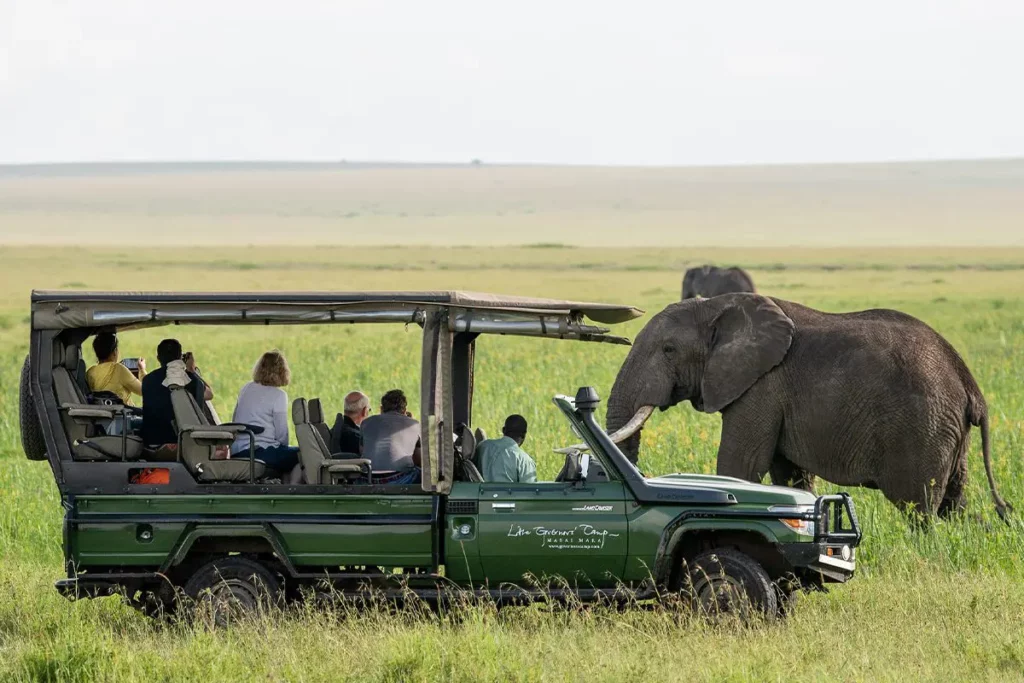
Ready to make it happen? Here’s your step-by-step booking guide:
Step 1: Decide Your Budget and Travel Dates (3-12 Months Before)
Determine:
- Total budget (be realistic with all costs)
- Travel dates (consider shoulder season for value)
- Trip length (5-7 days minimum for Northern Circuit)
- Who’s traveling (solo, couple, family, group)
Step 2: Research and Shortlist Operators (2-6 Months Before)
Find reputable operators through:
- SafariBookings.com (excellent reviews and ratings)
- TripAdvisor (read recent reviews carefully)
- Tanzania Tourist Board licensed operators list
- Personal recommendations from friends
Create a shortlist of 3-5 operators.
Step 3: Request Detailed Quotes
Email each operator with:
- Travel dates
- Number of people
- Budget range per person per day
- Accommodation preference (budget/mid-range/luxury)
- Parks you want to visit
- Special interests (photography, birding, culture)
- Any dietary restrictions
Request:
- Detailed itinerary with exact accommodation names
- Complete inclusions/exclusions list
- Payment terms
- Cancellation policy
- References from recent clients
Step 4: Compare Quotes Carefully
Don’t just compare total prices. Compare:
- Exact accommodations (Google each one)
- What’s included (park fees? Crater fee? All meals? Activities?)
- Vehicle type and condition
- Guide qualifications
- Group size (private vs shared)
Create a spreadsheet to compare apples-to-apples.
Step 5: Ask Questions
Before booking, clarify:
- “Are park fees and all government taxes included?”
- “What happens if our vehicle breaks down?”
- “Can we see the guide’s qualifications?”
- “What’s your cancellation and refund policy?”
- “Do you have insurance and bonding?”
- “Can you provide 2-3 recent client references?”
Reputable operators answer promptly and thoroughly.
Step 6: Verify Operator Legitimacy
Check:
- Tanzania Tourist Board license (ask for license number)
- Physical office address in Tanzania (Google it)
- Company registration documents (request if concerned)
- Multiple positive reviews across different platforms
- Years in business (5+ years is reassuring)
Red flags:
- Reluctance to provide documentation
- Only Gmail address (no company email domain)
- Pressure to pay 100% upfront immediately
- Prices significantly lower than competitors
Step 7: Book and Pay Deposit
Standard payment:
- 30-40% deposit at booking
- Remaining 60-70% due 30-60 days before departure
Get written confirmation including:
- Full itinerary with accommodation names
- Itemized costs
- Payment schedule
- Cancellation terms
- Contact information (phone, email, office address)
Pay via:
- Bank transfer (lowest fees)
- Credit card (offers buyer protection, may incur 3-5% fee)
- PayPal (convenient but may have fees)
Step 8: Purchase Travel Insurance (Immediately After Booking)
Buy comprehensive insurance within 14 days of booking to cover pre-existing conditions.
Ensure coverage includes:
- Medical evacuation ($100,000+ coverage)
- Trip cancellation
- Trip interruption
- Lost/delayed baggage
- Emergency medical
Step 9: Prepare Health and Documents (2-3 Months Before)
Complete:
- Vaccinations (start 2-3 months ahead)
- Malaria prophylaxis prescription
- Travel clinic consultation
- Visa application (e-visa 2-4 weeks before)
- Passport validity check (6+ months remaining)
Step 10: Final Payment and Pre-Trip Preparation (30 Days Before)
Pay remaining balance per your contract terms.
Prepare:
- Print all confirmations and vouchers
- Prepare tip envelopes with USD cash
- Pack camera gear and test everything
- Download offline maps
- Inform credit card companies of travel
- Make copies of passport and important documents
Step 11: Stay in Touch with Operator (1 Week Before)
Confirm:
- Airport pickup details (time, meeting point)
- Final itinerary
- Any last-minute changes
- Emergency contact information
- Guide assignment
Getting Free Safari Quotes
Ready to start planning? Here’s how to get accurate, competitive quotes:
Recommended Booking Approach
SafariBookings.com is an excellent resource:
- Compare 300+ vetted operators
- Real traveler reviews
- Detailed operator profiles
- Request multiple quotes simultaneously
- No booking fees
Submit your safari requirements and receive personalized quotes from multiple licensed operators within 24-48 hours.
What to Include in Your Quote Request
Make your request specific:
“Hello, I’m interested in a [budget/mid-range/luxury] Tanzania safari for [number] people from [dates]. We’d like to visit [parks] and are particularly interested in [wildlife/photography/culture]. Our budget is approximately $[amount] per person for the safari portion. Please provide a detailed quote including:
- Exact accommodation names
- All inclusions and exclusions (especially park fees)
- Vehicle type
- Guide qualifications
- Payment terms
- Cancellation policy
Thank you!”
The more specific you are, the more accurate quotes you’ll receive.
Final Thoughts: Making Your Tanzania Safari Dream a Reality
Tanzania safari costs might seem high at first glance, but when you break down exactly where your money goes, the value becomes clear.
You’re paying for:
- World-class wildlife viewing
- Conservation that protects Africa’s heritage
- Professional guides and infrastructure
- Once-in-a-lifetime experiences
- Memories that last forever
My final advice:
Don’t compromise on:
- Professional, licensed operators
- Comprehensive travel insurance
- Adequate trip length (5+ days minimum)
- Quality guide (your experience depends on them)
You can save on:
- Accommodation style (budget camping is still great)
- Travel timing (shoulder season is fantastic)
- Group size (more people = lower per-person costs)
- Parks (skip one premium park if budget is tight)
Remember: The “cheap” safari that cuts corners on safety, guide quality, or ethical practices isn’t worth it. The “expensive” safari with unnecessary luxury upgrades might not be worth it either.
Find your sweet spot — the experience that matches your interests, budget, and travel style.
Tanzania is waiting. The Serengeti’s lions, Ngorongoro’s rhinos, and Tarangire’s elephants are out there right now. Your safari story is ready to begin.
Start by requesting quotes from reputable operators, ask all the right questions, and book with confidence.
Safe travels, and I hope you experience the magic of Tanzania soon.
Quick Reference: Tanzania Safari Cost Summary 2025
Daily Safari Costs (All-Inclusive):
- Budget camping: $200-350/day
- Mid-range lodges: $350-600/day
- Luxury tented camps: $600-1,200/day
- Ultra-luxury: $1,200-3,000+/day
Park Entry Fees (Per Person/Day + VAT):
- Serengeti: $70
- Ngorongoro: $70 + $295 crater descent fee (per vehicle)
- Tarangire: $50
- Lake Manyara: $50
- Ruaha: $40
- Nyerere: $50
Additional Costs to Budget:
- International flights: $600-1,800
- Visa: $50-100
- Travel insurance: $75-200
- Vaccinations: $200-500
- Tips: $100-300 for week-long safari
- Optional activities: $50-600 each
- Souvenirs: $50-200
Total 7-Day Safari (Per Person):
- Budget: $2,500-4,000
- Mid-range: $4,000-7,000
- Luxury: $7,000-15,000+
Best Value Travel Periods:
- March-May (green season): 30-40% savings
- November (short rains): 20-30% savings
Booking Timeline:
- Peak season (July-October): Book 6-12 months ahead
- Shoulder season: Book 2-4 months ahead
- Low season: Book 1-2 months ahead


