
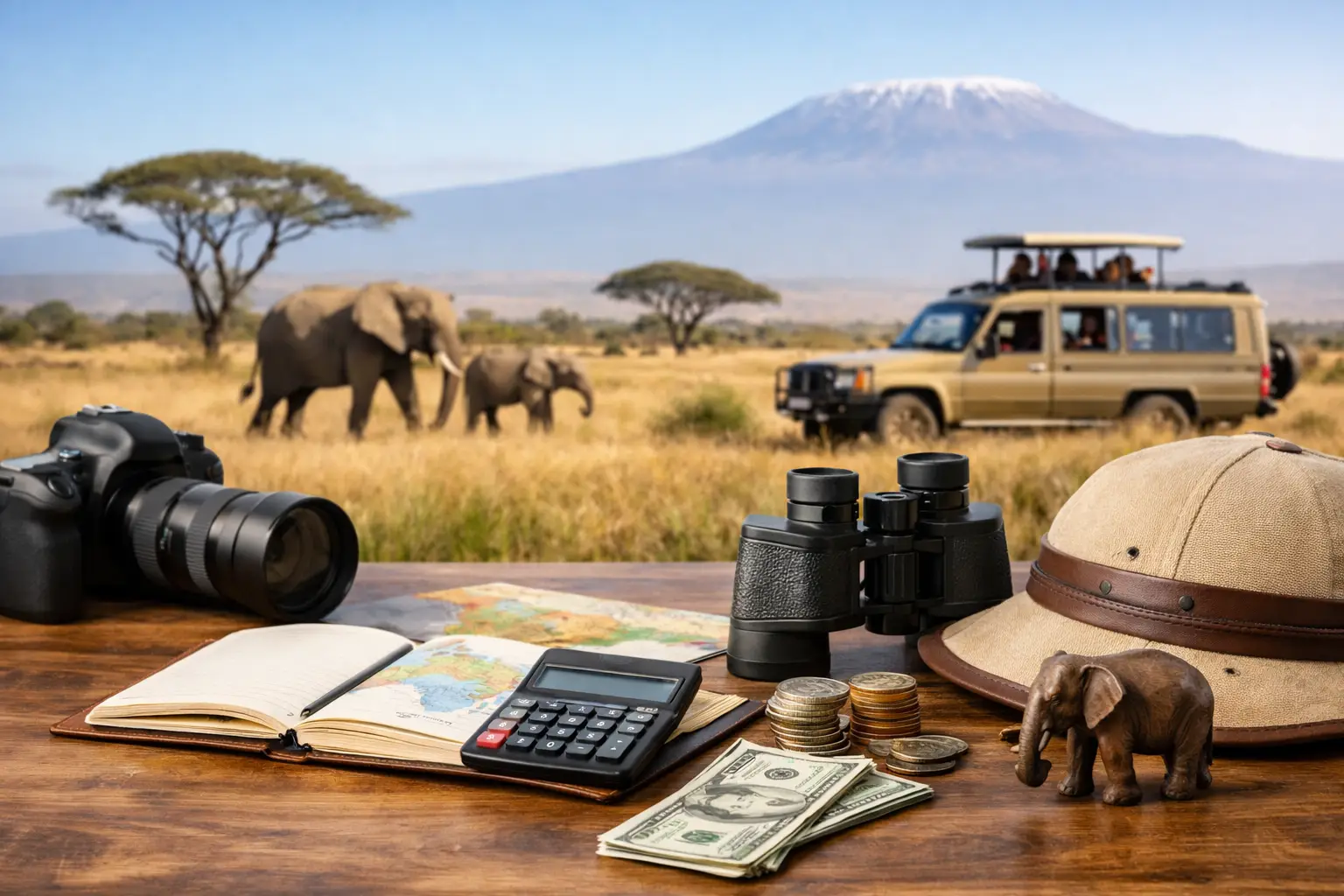
That dream of waking up to elephants outside your tent or watching lions at sunset usually comes with one big practical question – what does it actually cost? This kenya safari costs guide is here to give you a clear, honest picture of what shapes safari pricing in Kenya, what you can expect at different comfort levels, and where spending more genuinely improves the experience.
Safari prices vary more than many first-time travelers expect. Two trips that both say “Masai Mara safari” can be priced very differently depending on the season, the lodge standard, whether your trip is private or shared, how you travel between parks, and what is included from the start. The smartest way to budget is not to ask for one average price, but to understand the moving parts behind the quote.
Kenya safari costs guide – what you are really paying for
A safari is not just a hotel booking with a few drives added on. Most of the cost sits in a combination of park fees, transport, guiding, accommodation, meals, and logistics. In Kenya, national reserve and park entry fees can be substantial, especially in premium wildlife areas such as the Masai Mara. These charges are non-negotiable and often account for a meaningful share of the total trip price.
Then there is the vehicle and guide. A well-maintained 4×4 safari vehicle, a skilled local driver-guide, fuel for long distances, and airport or hotel transfers all add value that travelers often underestimate at the planning stage. When you book a private safari, you are paying for flexibility as much as transport. You can stop for photography, spend longer at sightings, and move at your own pace.
Accommodation also changes the price dramatically. A comfortable mid-range lodge and a premium tented camp may both put you close to the wildlife, but the difference in room size, service, food, views, exclusivity, and guiding can be significant. For honeymooners and couples celebrating a special trip, that extra spend often feels worthwhile. For families, it depends on whether the priority is luxury finishes or more nights on safari.
Typical price ranges by travel style
For a budget safari in Kenya, travelers might spend roughly $250 to $400 per person per day in a shared arrangement, depending on season and route. This usually means simpler lodges or camps, set departures, and less flexibility. It can still be a very enjoyable experience, but expectations should be realistic. Rooms are more basic, road transfers are common, and the experience is often built for value rather than privacy.
Mid-range safaris generally fall around $400 to $700 per person per day. This is often the sweet spot for many international travelers. You get better lodges, stronger service standards, more comfortable vehicles, and a smoother overall trip. If you want a private safari with good accommodation in places like Amboseli, Lake Naivasha, or Tsavo, this range often offers the best balance between comfort and cost.
Luxury safaris usually start around $700 per person per day and can rise well above $1,200 depending on the property, internal flights, and season. In the top end of the market, you are paying for location, exclusivity, exceptional guiding, beautifully designed camps, premium food and wine, and a much more personalized rhythm. For many travelers from Europe or the US planning a once-in-a-lifetime trip, this is where Kenya really shines.
These are broad planning figures, not fixed rates. A short safari can have a higher daily cost because transfers and park fees are concentrated into fewer days. A longer itinerary may bring the per-day average down.
What changes the price most
Season matters first. If you travel during the Great Migration period in the Masai Mara or during peak holiday dates, rates rise sharply. The wildlife can be spectacular, but you pay for demand. In green season or shoulder months, prices are often softer, and some travelers prefer the quieter atmosphere, dramatic skies, and excellent photography conditions.
Location matters too. The Masai Mara is one of Africa’s flagship safari destinations, and pricing reflects that. Amboseli, with its famous views of Mount Kilimanjaro, can also command strong rates in premium camps. Tsavo East and Tsavo West often provide better value for travelers who want space, varied scenery, and fewer vehicles around sightings. If your goal is to enjoy a memorable safari without stretching the budget too far, mixing one iconic park with one better-value destination is often a smart strategy.
Transport is another major factor. Driving from Nairobi to nearby parks keeps costs lower than flying between reserves. But on longer or higher-end itineraries, light aircraft flights save time and make the journey more comfortable. This is especially useful for travelers combining safari with beach stays in places such as Diani, Watamu, or Malindi.
Private versus shared travel is one of the biggest trade-offs. Shared safaris reduce the price, but they also reduce flexibility. A private safari costs more, yet for couples, families, and photographers, it usually creates a more relaxed and rewarding experience. You are not adjusting your wildlife moments around strangers.
Hidden costs travelers should ask about
A good kenya safari costs guide should not stop at headline prices. The real question is what is included and what is extra.
Some quotes include full-board accommodation, park fees, game drives, airport transfers, bottled water in the vehicle, and guide services. Others exclude drinks, tips, laundry, domestic flights, or specific reserve fees. In some cases, a package looks cheaper until you notice park entry is not included. That can change the final cost very quickly.
Ask directly about conservancy fees, balloon safari supplements, cultural visits, and child rates. If you are traveling as a family, age-based pricing can be very different from one lodge to another. If you are on a honeymoon, ask whether special touches such as bush breakfasts, sundowners, or room upgrades are possible. Sometimes these additions are surprisingly affordable compared with the overall trip value.
Travel insurance and international flights should also sit outside your safari budget unless clearly stated. Many travelers build a strong itinerary and then realize these external costs were never included in their planning total.
How to get better value without cutting the experience
The goal is not always to find the cheapest safari. It is to spend where it counts and avoid paying for things you do not need.
One of the best ways to control cost is to travel just outside peak dates. You may still enjoy excellent game viewing while accessing better rates at very good lodges. Another smart move is to focus on fewer parks rather than trying to cover all of Kenya in one trip. Long overland movements add cost and reduce time in the bush.
A well-built itinerary of 5 to 7 nights often gives better value than a rushed 2-night safari, especially for long-haul travelers. You have time to settle in, enjoy varied landscapes, and make the international flight feel worthwhile. For many guests, combining a safari with a few beach nights on the coast also creates better overall value than only booking top-end safari nights throughout.
Working with a trusted local expert can make a real difference here. A Kenya-based operator understands which lodges justify their rate, which routes are efficient, and where small itinerary changes can save money without weakening the experience. That local judgment is often what turns a good trip into a smooth one.
Sample budgeting ideas for different travelers
A couple planning a mid-range private safari for 6 days might budget around $2,800 to $4,500 per person, depending on season, route, and lodge choice. If they add internal flights and premium camps in the Masai Mara, that figure can rise quickly.
A family of four may find better value in spacious lodges in Amboseli or Tsavo combined with a shorter premium stay elsewhere. Family rooms, child policies, and private vehicle rates make a big difference here, so family safari pricing should always be customized rather than estimated from adult sharing rates.
For honeymooners, luxury camps with strong service, beautiful settings, and added privacy are often worth the premium. The cost is higher, but so is the quality of the memory. A dream African escape is not only about seeing wildlife. It is also about how the trip feels from arrival to the final sundowner.
Is Kenya expensive for safari?
Compared with a standard beach vacation, yes, safari is a premium travel experience. Compared with many other top wildlife destinations worldwide, Kenya still offers excellent value because of the quality of guiding, the range of parks, and the ability to combine wildlife, culture, and coast in one trip.
The honest answer is that Kenya can be surprisingly affordable or deeply luxurious. It depends on how you travel. If your priority is the lowest possible price, there are budget options. If your priority is comfort, privacy, and trusted local support, the investment rises, but so does the experience.
At Safari Kenya Holiday, we always encourage travelers to start with the kind of trip they want to remember, then shape the route and lodge level around a realistic budget. That approach works better than chasing a low number and adjusting expectations later.
A safari should feel exciting before you even arrive. When the pricing is clear, the inclusions make sense, and the itinerary matches your travel style, the decision becomes much easier – and much more enjoyable. If you are planning Kenya well, cost is not just about what you spend. It is about what you get back every day you are out in the wild.


