
Welcome to the heartbeat of the city. A Matatu in Nairobi is not just a minibus; it is a rolling canvas, a portable nightclub, and a symbol of Kenyan youth resilience. Known locally as Nganyas, these vibrant vehicles define the city’s skyline with their neon lights and booming bass. In 2026, they remain the most iconic way to experience the raw, creative energy of Kenya’s capital before you head out on your savanna adventure.
Why Music Matatus are the Soul of Safari Kenya Holiday
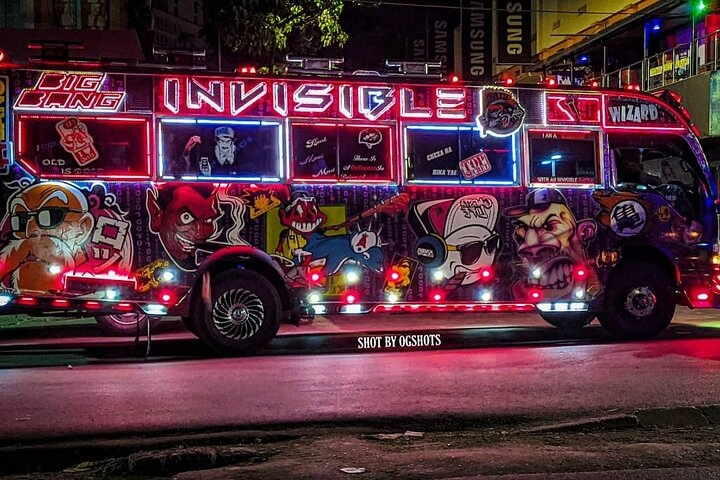
7 Days Masai Mara Safari: A Complete Kenyan Wildlife AdventureAt Safari Kenya Holiday,Matatu in Nairobi we believe a true Kenyan journey starts in the city. Before you head to the silence of the Maasai Mara, experiencing the music matatu culture offers a glimpse into the modern Kenyan spirit. These buses compete for “street cred” by having the loudest sound systems and the most elaborate graffiti, often featuring global pop culture icons, current 2026 sports stars, and legends of the African music scene. It’s an “Urban Safari” that showcases the innovation of Nairobi’s youth.
The Art of the Nganya: Graffiti and Design
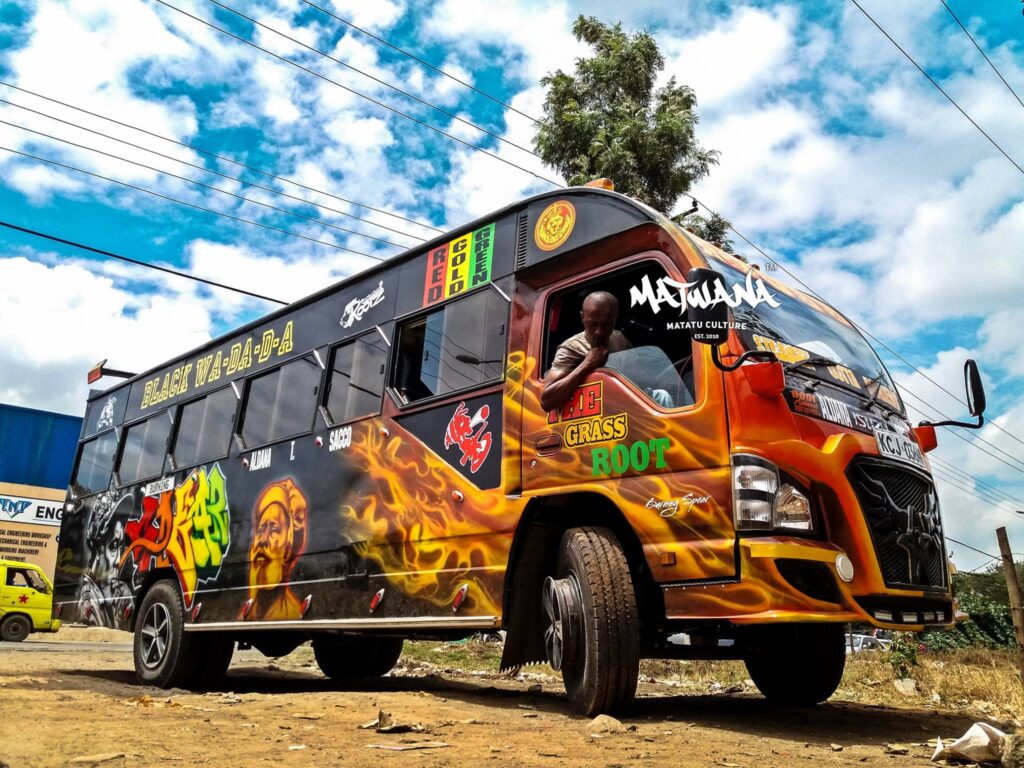
Every Matatu in Nairobi tells a story. Specialized artists spend weeks hand-painting intricate murals that turn these commuters into mobile6 Days Kilimanjaro Climb: Machame Route Adventure art galleries. From Hollywood blockbusters to local Kenyan heroes, the exterior design is a high-stakes competition. In 2026, the trend has shifted toward “3D wraps” and interactive LED displays that make the vehicles glow in the Nairobi dusk, ensuring they are the most photographed objects in the city.
The Sound of the City: Music and Entertainment
If you love rhythm, you’ll love the music matatu. Matatu in Nairobi These vehicles are equipped with high-end subwoofers and massive flat-screen TVs playing the latest 2026 Arbantone hits and Afrobeats. It’s an immersive audio-visual experience where the bass is felt in your chest. Riding a “LIT” matatu (one with the best sound) is a rite of passage for any traveler looking to understand the pulse of Nairobi’s nightlife and daily hustle.
Famous Routes: Where to Catch the Best Matatus
To see the true “Kings of the Road,” you need to know where to stand. Head to the Rongai (Route 125), Buruburu (Route 58), or Ngong (Route 111) stages. These routes host the most decorated buses in the country. In early 2026, the “Rongai line” remains the gold standard for travelers wanting to see the most extravagant designs and hear the latest urban anthems.
Safety Tips for Travelers Riding a Matatu
While exhilarating, we recommend riding during off-peak hours (10:00 AM – 3:00 PM) to avoid the intense rush hour.
- Secure Your Gear: Keep your cameras and phones tucked away until you are safely inside.
- The Noise Factor: If the music is too loud, don’t be afraid to choose a “plain” matatu for a quieter ride.
- The “Manamba”: Respect the conductor (Manamba); they are the gatekeepers of this culture and will help you find your stop.
5. How We Integrate Urban Culture into Your Safari
Safari Kenya Holiday offers guided “Matatu Culture Tours” as part of our Nairobi layover packages. We don’t just put you on a bus; we take you behind the scenes to the “garages” to meet the graffiti artists and sound engineers who turn these vans into masterpieces. It’s the perfect cultural bridge before you transition from the concrete jungle to the African bush.
The Evolution from Transport to Tourism
What started as a chaotic transport system in the 1960s has evolved into a globally recognized art form. In 2026, the Matatu in Nairobi attracts international filmmakers and photographers, proving that Kenya’s creativity is as much of a draw as its wildlife.
Common Sheng Phrases for Your Ride
Learn the lingo to impress the locals!
- Nganya: A flashy, pimped-out Matatu.
- Manamba: The conductor.
- Sapa: A “cool” or high-end ride.
- Chapa: Money/Fare. Using these words will surely earn you a smile and perhaps a better seat in the house!
Experience the Real Nairobi with Safari Kenya Holiday
Ready to hear the beat of the streets? From the wild plains of the Mara to the vibrant music matatus of the capital, let us show you the full spectrum of Kenya. We handle your 2026 Kenya eTA requirements and logistics so you can focus on the vibe.
FAQs Matatu in Nairobi
Are Matatus in Nairobi safe for international tourists?
Generally, they are safe during daylight hours on main routes. However, they are known for aggressive driving. If you want the experience without the stress, try a short ride on a popular route like Ngong Road during off-peak hours.
How do I know which Matatu to take?
Every Matatu has a route number displayed on the front and back. For example, Route 111 goes to Ngong, and Route 46 goes to Hurlingham. You can use Google Maps (Transit mode) or the Digital Matatus app to find your specific route.
How much is a Matatu fare?
Fares are very affordable, usually between 50 KES and 100 KES ($0.40 – $0.80 USD). Prices can double during rush hour, heavy rain, or late at night.
How do I pay for the ride?
Payment is made in cash to the conductor (locally called a Manamba or Makanga). Carry small denominations (shillings) to make it easier.
What is the difference between a regular Matatu and a ‘Manyanga’?
A Manyanga is a high-end Matatu featuring expensive graffiti, flat-screen TVs, high-speed WiFi, and booming music. They are essentially mobile nightclubs.


