
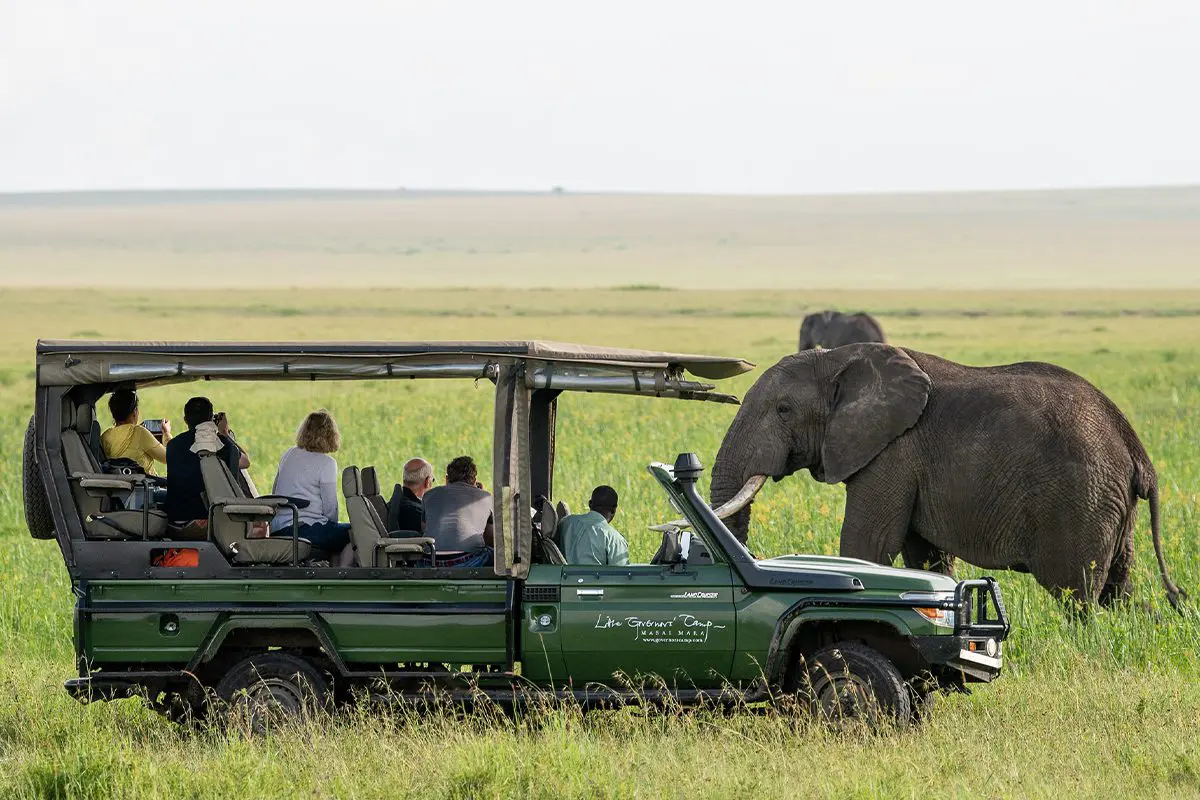
So you’re thinking about a Kenya safari? Smart choice. But I bet the first thing on your mind is – how much is this gonna set me back? Trust me, I’ve been there, staring at my laptop at 2 AM trying to figure out if I needed to sell a kidney or just skip a few months of fancy coffee.
Here’s what I learned after years of planning these trips: Kenya Safari Cost doesn’t have to drain your life savings. Yeah, some folks drop $20K on a week, but others do it for under $2,000 and have just as many elephant stories to tell when they get home.

Stick with me here. I’m gonna walk you through exactly what things cost, where you can save money without missing the good stuff, and how to avoid those sneaky charges that pop up when you’re already committed.
Why a Kenya Safari in 2025 Is Worth Every Penny
What makes Kenya the top African safari destination
Okay real talk – Kenya basically wrote the book on safaris. They’ve been doing this since your great-grandparents were kids. That matters because they’ve figured out what works and what doesn’t.
The roads between parks? They actually exist (mostly). You can find accommodation ranging from “I’m basically camping in the wild” to “wait, is this a presidential suite?” And the guides? These guys can spot a leopard tail hanging from a tree branch while you’re still fumbling with your camera lens cap.
Unique wildlife experiences in Masai Mara & Amboseli
Masai Mara between July and October is absolutely bananas. I’m talking millions – literally MILLIONS – of wildebeest doing this crazy river crossing thing where half of them get eaten by crocodiles. Sounds dark, but it’s nature’s most insane reality show and you’re sitting there watching it live.
Then there’s Amboseli. Picture this: You’re watching these massive elephants just doing their thing, and behind them? Mount Kilimanjaro is just chilling there looking majestic. First time I saw it, I took like 300 photos and they all look exactly the same but I don’t even care.
New updates in 2025 that enhance the visitor experience
Kenya finally joined the 21st century (kinda). They fixed roads that used to rattle your brain around like a pinball. Upgraded bathrooms in camps so you’re not quite as “one with nature” as you used to be. Oh, and here’s the game changer – mobile payments work now in most places.
Remember the days of carrying around stacks of cash like some sketchy movie character? Yeah, that’s mostly over. Welcome to modern safari life where you can tap your phone and go.
Average Kenya Safari Cost in 2025 (Full Price Breakdown)
Cost per day for budget, mid-range and luxury safaris
Let me hit you with the actual numbers because that’s what you came here for. Budget safaris will run you somewhere between $150-250 per person daily. You’re sleeping in tents, riding around with a bunch of strangers, eating whatever they serve. But guess what? The lions don’t care how much you paid to see them.
Mid-range sits at $300-500 each day. This is where most people end up. Real beds, your own bathroom (thank god), better food, and you’re not packed into the safari vehicle like sardines. It’s the Goldilocks zone – not too rough, not stupidly expensive.
Luxury starts at $600 and goes up to $1,500+ daily. Your own guide who knows your name, meals that belong on Instagram, lodges where you forget you’re in the middle of Africa. Some packages even fly you between parks in little planes. If you’ve got it, flaunt it.
How national park fees impact your overall budget
Here’s the annoying bit nobody warns you about properly: park entrance fees are brutal. You’re paying $70-80 per day just to drive through the gate at places like Masai Mara. That’s BEFORE you sleep anywhere or eat anything.
Kids get charged less – around $40 daily – which helps when you’re bringing the whole family. But seriously, when you’re calculating your Kenya Safari Cost, these fees stack up real quick. Visit three parks over 10 days? That’s $700-800 just in entrance fees per person.
Sample cost for a 5-, 7- and 10-day Kenya safari
Alright, let’s get specific with actual trip budgets. A 5-day budget safari hitting Masai Mara and Lake Nakuru runs $750-1,250 total per person. This doesn’t include your flight from wherever home is, so factor that in separately.
Bump it up to 7 days mid-range covering Masai Mara, Amboseli, and Lake Naivasha? You’re looking at $2,100-3,500. Way more comfortable, slightly fewer people you’re sharing bathrooms with, generally a better time.
Now if you wanna go big with a 10-day luxury safari through Kenya AND Tanzania? We’re talking $6,000-15,000 per person. Sounds insane until you realize some people spend that much on a car they’ll hate in three years. These memories stick around forever.
Kenya Safari Packages – Budget, Mid-Range & Luxury Options
What’s included in each safari category
Budget packages cover the essentials – beat-up but functional Land Cruiser, tents you’ll sleep in, park fees, and meals that won’t win any awards but fill you up. Your guide knows animals but you’re sharing him with 6 other people who all want to stop at different times.
Mid-range feels way better. Lodges with actual walls and doors, hot water that usually works, only 4-6 folks per vehicle. The guides at this level actually seem to enjoy their jobs and want you to have a good time, not just collect their paycheck.

Luxury is when you stop worrying about literally anything. Your own vehicle, personal guide who acts like your best friend, food so good you wonder how they’re making it in the bush, and beds that make you consider moving to Kenya permanently.
Private vs group safari experiences
Group safaris save you a ton of cash by splitting costs. You’ll probably make some friends (or at least have awkward conversations with strangers from Germany). Your share of the vehicle, guide, fuel – all divided by 4-7 people instead of just you.
Downside? Democracy doesn’t work great on safari. That perfect leopard sighting? Too bad, Susan needs a bathroom RIGHT NOW. The cheetah hunt you waited three hours for? Sorry, the group wants lunch. You compromise constantly.
Private safaris cost 50-100% more but holy crap the difference. Your guide only cares about making YOU happy. Wanna sit watching that lion pride for two hours? Go for it. Skip the touristy viewpoint? Done. It’s your trip, your rules, your schedule.
Example tour operators & their average prices
Pollman’s Tours does decent mid-range trips starting around $300 daily. They’ve been around forever so they know what they’re doing. Their guides show up when they say they will, which matters more than you’d think.
Basecamp Explorer runs eco-conscious operations from $350 per day. They partner with local Maasai communities which is cool if you care about that stuff. Plus their camps are positioned in really prime wildlife viewing spots.
Governors’ Camp Collection is full luxury mode – $600-1,200 daily. Their lodges sit in the absolute best locations in Masai Mara. You’re paying for location, location, location, plus service that predicts what you want before you think of it.
Updated Kenya National Park Fees for 2025
Masai Mara park fees (peak & low season)
Masai Mara charges $80 per adult every single day during peak season (July-October when everyone wants those migration crossings). Just to be clear – that’s only to get IN the park.
During rainy season (April-May), they knock it down to $70 daily. Still not exactly cheap but at least you’re saving something. The animals are still there – they don’t magically disappear because fewer tourists showed up.
Kids aged 3-17 pay about $45 daily all year. Meanwhile Kenyan citizens pay like $10 which always makes me a little jealous when I’m handing over my tourist tax at the gate.
Amboseli, Tsavo & Samburu park fees
Amboseli hits you for $60 per adult daily. Those elephant herds with Kilimanjaro behind them? Yeah, they know exactly what they’ve got and they’re charging accordingly.
Tsavo East and West are actually reasonable at $52 per adult each day. These parks are absolutely massive, way less crowded, and honestly underrated. You get authentic bush experience here.
Samburu costs around $70 daily. You’re paying extra because this place has animals you literally can’t see anywhere else – Grevy’s zebras, reticulated giraffes, all the rare stuff that makes wildlife photographers lose their minds.
Tips to save on multiple-park visits
Get yourself a Kenya Wildlife Service Smartcard if you’re hitting multiple parks. You load money on it and sometimes save a few bucks, plus you skip the lines at gates which is clutch when you’ve been driving for five hours.
Even better – book through an operator doing multi-park packages. They get bulk rates you could never negotiate yourself. Could shave 10-15% off your total Kenya Safari Cost just like that.
Or just travel during June or November. Park fees stay decent, animals are everywhere, and you’re not fighting 47 other safari vehicles for a view of the same lion everyone’s photographing.
Kenya vs Tanzania Safari Costs – Which Is Better Value?
Cost comparison table by category & duration
Budget safaris in Kenya run $150-250 daily while Tanzania wants $200-300. Tanzania has stricter minimum standards even at budget level, which sounds great until you see the prices.
Mid-range in Kenya costs $300-500 versus Tanzania’s $400-600 per day. Both deliver amazing wildlife, but Tanzania leans toward more exclusive setups even in the middle tier.
Luxury pricing is closer: Kenya’s $600-1,500 versus Tanzania’s $700-1,800 daily. At this level both countries are fighting for the same rich tourists so quality becomes pretty similar.
Differences in park fees and accommodation costs
Tanzania’s park fees hurt. Serengeti charges about $83 daily which is close to Masai Mara’s $80. But then you get to Ngorongoro Crater and they want $295 per vehicle PLUS $83 per person just to drive down into the crater for the day.
That’s like $500+ for a family of four before you even think about lunch. Worth it? Absolutely. Ngorongoro is mind-blowing. Does your wallet feel it? Also absolutely.
Accommodation-wise, Kenya has way more budget camping. Tanzania’s minimum quality standards are higher across the board, which translates to higher prices for everything from camping to five-star.
Which offers better wildlife viewing for the price
Kenya wins for budget travelers hands down. Lower Kenya Safari Cost overall, tons of camping options, and you’re seeing the same incredible animals as people who paid triple what you did.
Tanzania wins for exclusivity and space. Way fewer tourists crowding every sighting, more room to breathe, and if money’s not your main concern, that intimate wildlife experience is worth the premium.
Honestly though? Most smart people combine both. Spend 10 days splitting time between Kenya’s Masai Mara and Tanzania’s Serengeti plus Ngorongoro. You get the highlights of both without choosing.
Best Time to Visit Kenya and Tanzania for a Safari
High season vs low season pricing
High season (July-October) is when prices go absolutely nuts. We’re talking 20-40% increases because operators know you’ll pay it to see the migration. The Kenya Safari Cost during these months makes your credit card cry.
Low season (April-May) brings rain but also serious savings. Lodges cut prices 30-50% trying to fill rooms. The animals don’t leave just because it’s raining – they’re still out there doing their thing.
Shoulder seasons (June and November-December) are secretly the best time. Decent weather, great animal viewing, and prices that won’t make you regret your life choices.
Weather patterns & wildlife movement
Kenya’s dry seasons (June-October and January-February) make spotting animals stupid easy. They cluster around water holes because they need to drink. Roads are passable. Skies are clear for photos. Everything just works better.
The Great Migration follows a pretty predictable schedule. Wildebeest show up in Masai Mara from Serengeti around July, peak numbers hit August-September, then they head back south by November. Timing matters if you want those famous river crossings.
Green season (March-May) brings afternoon thunderstorms. Some roads get muddy and annoying. But the landscape turns gorgeous, baby animals are everywhere, and predators follow the babies. Circle of life and all that.
Best months to see the Great Migration
July through September is migration prime time in Masai Mara. River crossings happen almost daily – thousands of wildebeest just charging into crocodile-filled water. Never gets old watching it.
August specifically gives you the best odds of catching multiple crossings. Huge herds build up along the Mara River for days, then suddenly everyone crosses at once. Pure chaos, absolutely spectacular.
Early October still has solid migration viewing before the herds start their return trip south. Prices begin dropping as peak season ends, so you get great wildlife without paying absolute peak prices.
10-Day Kenya and Tanzania Safari Itinerary (Perfect Route)
Overview of the ultimate 10-day adventure
A 10-day Kenya and Tanzania safari hits the sweet spot – not too rushed where you’re exhausted, not so long you get wildlife fatigue (which is totally a real thing, trust me).
The winning route goes: Kenya’s Masai Mara first, then cross into Tanzania for Serengeti, Ngorongoro, and Tarangire. Each spot looks completely different and supports different animal populations, so you’re constantly seeing new stuff.
Budget anywhere from $3,000 to $12,000 per person based on how fancy you want your accommodations. This Kenya Safari Cost covers everything on the ground except your international flights and that expensive airport coffee habit.
Must-visit parks and regions
Masai Mara needs at least 3 days, maybe 4. It’s big enough that you need time exploring different areas. Predators are spread out, and you want buffer days in case that legendary leopard finally shows up.
Serengeti deserves 2 full days minimum because this park is absolutely enormous. You could drive all day seeing different animals constantly and barely scratch the surface.
Ngorongoro Crater works as a one-day experience, but what a day. The crater floor is like nature packed everything into one contained space with the highest predator concentration in Africa. You’ll see basically everything in one drive.
Tarangire wraps things up with elephant herds numbering in the hundreds and these weird baobab trees that look like they’re planted upside down. Totally different vibe from everywhere else.
Suggested timeline & travel flow
Days 1-3 kick off in Masai Mara after you fly into Nairobi. This immediate wildlife immersion sets expectations high and helps you adjust to “Africa time” where schedules are more like suggestions.
Days 4-6 take you across into Tanzania’s Serengeti. The border crossing at Isebania/Sirari is straightforward if your operator knows what they’re doing (and they should). Different Serengeti regions show you how varied one park can be.
Days 7-9 cover Ngorongoro and Tarangire. This routing makes geographic sense – you’re not wasting time and money backtracking all over the place when you could be watching animals.
Day 10 leaves buffer time in Arusha for your departure flight. Critical for peace of mind because in Africa, stuff runs late sometimes and you don’t want to miss your international flight home.
Day-by-Day Safari Itinerary with Estimated Costs
Day 1–2: Nairobi & Masai Mara (Arrival and Game Drives)
Day 1 starts when your plane lands at Nairobi feeling like death from that brutal long-haul flight. Your safari company picks you up and takes you to a hotel. If jet lag hasn’t destroyed you, hit up the Giraffe Centre or Elephant Orphanage before you crash.
Nairobi hotels run $50-100 for basic places, $100-200 for decent ones, $250+ for fancy. Usually includes breakfast and that crucial airport pickup.
Day 2 means waking up stupidly early for the drive to Masai Mara (5-6 hours on roads varying from decent to “are we still on a road?”). You’ll get breakfast in a box for the journey, arrive at camp for lunch, then hit your first afternoon game drive.
Daily costs: Budget $200-250, mid-range $350-450, luxury $700-1,200 covering everything – where you sleep, what you eat, park fees, game drives, the works.
Day 3–4: Masai Mara Exploration & Cultural Visits
Day 3 is all about maximizing animal time. Morning drive at 6 AM (yeah it’s early but predators hunt at dawn). Back to camp for lunch and nap time. Out again afternoon when animals get active as temperatures cool.
Wanna splurge on a hot air balloon safari? That’s an extra $450-500 but gives you aerial views at sunrise followed by champagne breakfast in the bush. Worth it if you’ve got the budget.
Maasai village visits cost $20-30 per person. You’ll see traditional homes, watch dancing, learn about their culture. Some tours feel like tourist traps, but good operators connect you with real communities.
Day 4 continues the intensive animal watching. Your guide knows where recent sightings happened and targets those areas, upping your chances of seeing rare stuff or actual hunts going down.
Day 5–6: Transfer to Serengeti & Big Five Sightings
Day 5 is border day from Kenya into Tanzania via Isebania-Sirari. Takes 2-3 hours dealing with immigration paperwork – bring patience. Lunch somewhere en route before entering Serengeti in the afternoon.
Visa costs: Kenya’s $50, Tanzania charges $50-100 depending on your passport. Smart play is the East African Tourist Visa at $100 covering both countries with multiple entries allowed.
Afternoon drives in northern Serengeti blow your mind with sheer animal numbers just everywhere. The landscape shift from Masai Mara’s hills to Serengeti’s endless plains is dramatic and awesome.
Day 6 is full-day Serengeti exploration. Your guide hunts for the Big Five (lions, leopards, elephants, buffalo, rhinos) while explaining ecosystem dynamics. It’s like living inside a nature documentary except real.
Day 7–8: Ngorongoro Crater & Tarangire National Park
Day 7 moves you to Ngorongoro Conservation Area. The rim drive gives you insane crater views before descending 600 meters down to the floor where magic happens.
Ngorongoro fees sting – roughly $70 per person PLUS $295 per vehicle just for crater access. But then you understand why: 25,000 large animals crammed into 260 square kilometers including endangered black rhinos existing almost nowhere else.
Day 8 continues to Tarangire National Park, famous for elephant herds so massive you lose count and baobab trees looking prehistoric. Totally different scenery from everywhere else you’ve been.
Day 9–10: Arusha Departure and Local Experiences
Day 9 finishes Tarangire with morning drives, then heads to Arusha (2-hour drive) where most safaris end. If your flight’s not till evening, you’ve got time exploring.
Arusha offers fun diversions. Chemka Hot Springs has crystal-clear turquoise water perfect for swimming. Maasai markets sell handicrafts where bargaining is mandatory – start at half their asking price and negotiate.
Day 10 serves as buffer/departure day. International flights usually leave evening or night, giving you morning to relax or grab last-minute souvenirs without stressing about time.
Total 10-day budget: Budget travelers spend $2,500-3,500, mid-range $4,000-6,000, luxury $8,000-15,000 per person. That’s everything on the ground minus international flights and personal shopping sprees.
Top Safari Parks to Visit in Kenya and Tanzania
Masai Mara National Reserve
Masai Mara covers 1,510 square kilometers of incredible wildlife habitat. Named after the Maasai people and Mara River, it’s Kenya’s crown jewel for good reason.
The annual wildebeest migration brings over 1.5 million animals through here July-October. River crossings where Nile crocodiles ambush crossing herds are violent, chaotic, and the most unforgettable natural spectacle you’ll ever witness.

Even without migration, resident lions, leopards, cheetahs, elephants, and buffalo guarantee excellent viewing year-round. Animals don’t disappear just because tourist season ended.
Serengeti National Park
Serengeti translates to “endless plains” in Maasai language – perfectly describes these 14,750 square kilometers of wilderness. UNESCO World Heritage Site because it’s that ecologically significant.
Hosts Earth’s largest terrestrial mammal migration. Beyond that, approximately 3,000 lions roam Serengeti – the world’s biggest lion population. You’ll see these apex predators regularly without even trying hard.
Different regions offer totally different experiences. Seronera Valley delivers year-round viewing, Western Corridor features dramatic river crossings, Southern Plains showcase calving season with thousands of baby wildebeest everywhere.
Amboseli, Tsavo & Lake Nakuru National Park
Amboseli sits at Kilimanjaro’s base offering Africa’s most iconic photography – elephants with that snow-capped mountain behind them. Large herds thrive here creating perfect postcard moments constantly.
Tsavo East and West together form Kenya’s biggest protected area at 22,000+ square kilometers. Red elephants (colored by volcanic dust) and incredibly diverse landscapes from savanna to mountains define these underrated parks.
Lake Nakuru used to host millions of flamingos creating pink shorelines. Numbers fluctuate with water levels now, but it’s still excellent for rhino viewing and hundreds of bird species flying around.
Ngorongoro Conservation Area & Tarangire National Park
Ngorongoro Crater formed from a collapsed volcano 2-3 million years ago. The 600-meter-deep crater creates a natural enclosure concentrating wildlife in density you won’t see anywhere else on Earth.
Supports all Big Five species including rare black rhinos. About 400 rhinos live in Ngorongoro – huge conservation success for this critically endangered species fighting extinction.
Tarangire National Park shines during dry season (June-October) when elephants mob the Tarangire River. The park’s distinctive baobab trees, some over 1,000 years old, create landscapes looking otherworldly.
How to Book Your Safari – Local vs International Operators
Benefits of booking directly with local operators
Local operators typically charge 15-30% less than international companies automatically. You’re cutting out middleman markup while getting identical vehicles, same parks, same wildlife experience.
Direct communication allows way more customization. Wanna swap one lodge for another? Add an extra activity? Tweak your route? Local operators adjust easily instead of forcing rigid packages down your throat.
Local knowledge crushes anything international agents offer. Kenya-based operators run safaris daily – they know which camps deliver what they promise, where animals are moving right now, which roads are actually passable today.
Comparing prices from international travel agencies
International agencies provide convenience and perceived security. They handle complex logistics, offer 24/7 support in your timezone, and usually include better insurance protecting your payment if things go sideways.
Expect paying 20-40% more for this convenience. They’ve got overhead, marketing costs, and need profit margins. Sometimes worth it for absolute peace of mind and hand-holding through the process.
Package deals from big international operators occasionally compete on price through volume discounts on flights and hotels. If their schedule matches yours perfectly, you might not pay much premium.
Tips to verify a safari company’s credibility
Check registration with Kenya Tourism Board or Tanzania Tourist Board. Licensed operators display registration numbers prominently and can prove they’re operating legally.
Read recent reviews on TripAdvisor, SafariBookings, Google. Look for patterns – one bad review happens to everyone, but consistent complaints about vehicle quality, switched accommodations, or unprofessional guides? Red flag city.
Request detailed itineraries with actual lodge names. Sketchy operators say “mid-range camp” without specifics because they’ll stick you wherever gives them the cheapest rate. Reputable companies name exact properties upfront.
Ask for references from past clients, ideally from your country. Actually contact these people – they’ll give you brutally honest feedback about whether the operator delivered what they promised.
What’s Included in a Kenya Safari Package (and What’s Not)
Typical inclusions – meals, park fees, guides
Transportation in 4×4 safari vehicles with pop-up roofs is standard. These fit 4-7 passengers depending on whether you booked private or group, and whether your operator crams extras to maximize their profit.
Park entrance fees should be included in quoted prices. Some shady operators advertise super low prices then surprise you with separate fees. Always confirm this explicitly upfront avoiding nasty surprises.
Accommodation from budget camping to luxury lodges based on category you chose. Packages should specify exact properties or at minimum the accommodation standard you’re actually getting.
Meals typically include breakfast, lunch, dinner from Day 1 lunch through final breakfast. Most operators accommodate dietary stuff if you tell them advance – vegetarian, allergies, religious requirements, whatever.
Professional guides drive and lead your safari. Quality varies wildly though. Great guides spot animals before you know they’re there, explain behaviors, and genuinely care about your experience versus just collecting paychecks.
Common exclusions – flights, tips, drinks
International flights to/from Kenya almost never appear in safari packages. Budget these separately – typically $800-2,000 depending on where you’re flying from and how advance you book.
Domestic flights between destinations cost extra unless explicitly stated included. Flying Masai Mara to Mombasa coast adds $200-400 per person to your total Kenya Safari Cost real quick.
Travel insurance you buy separately but absolutely must have. Comprehensive policies covering medical evacuation, trip cancellation, lost luggage run approximately $50-150 for 10-day trips.
Alcoholic beverages outside meal packages usually cost extra. Budget lodges exclude all drinks except water. Luxury places might include house wines and beers but charge for premium stuff.
Tips for guides and camp staff aren’t included ever. Budget roughly $10-20 daily per person for your guide, plus $5-10 daily collectively for camp staff cooking, cleaning, serving.
How to budget for extras & souvenirs
Optional activities stack up fast – hot air balloons ($450), village visits ($20-30), walking safaris ($50-100). Review what’s available early and prioritize based on genuine interest versus FOMO.
Souvenirs range from cheap market crafts to expensive jewelry and art. Budget $100-500 for shopping depending on your self-control when talented artisans show you their beautiful work.
Emergency funds of $200-500 provide serious peace of mind. Credit cards work in cities, but remote areas demand cash – carry US dollars or Kenyan shillings for unexpected stuff.
Snacks and personal items bought during safari cost way more than city prices. Stock up on favorites in Nairobi or Arusha before heading into parks where everything’s marked up ridiculously.
Factors That Affect the Cost of a Safari in Kenya
Time of year and seasonal rates
Peak season (July-October) drives the biggest Kenya Safari Cost spikes. Some luxury lodges charge 40-50% premiums during these months because demand is absolutely insane – everyone wants those river crossings.
Christmas and New Year bring secondary price jumps. Many lodges force minimum 5-7 night stays during these weeks, killing flexibility and forcing expensive longer bookings.
Green season (April-May) offers deepest discounts, sometimes 50% below peak. Yeah afternoon rain happens, but mornings stay clear and animals don’t vanish because tourists stayed home.
Type of accommodation & transport
Camping safaris minimize costs dramatically. Basic campsites charge $10-30 nightly versus lodge rates starting $150. Trade-off is rustic facilities, outdoor bathrooms, and accepting bugs/weather.
Tented camps split the difference nicely. Permanent structures with real beds and en-suite bathrooms cost $150-400 nightly – comfortable without full lodge amenities and pricing.
Luxury lodges go all-in: comfort, cuisine, service. Rates from $400-1,500 nightly include gourmet meals, prime locations, often private conservancy access for exclusive viewing without tourist hordes.
Flying safaris use small planes hopping between destinations, eliminating endless bumpy road transfers. Expensive ($200-500 per flight) but maximizes game time and reduces exhaustion from constant driving.
Duration and number of parks visited
3-day safaris to single parks cost $450-1,500 total depending on accommodation. These work for tight schedules but provide limited variety and feel pretty rushed honestly.
7-day itineraries allow 2-3 parks with decent time exploring each. Costs range $2,100-7,000 per person, balancing comprehensive experiences with budgets most normal people can actually handle.
10-day safaris hit the value sweet spot perfectly. Per-day costs decrease through efficiency while covering 3-4 parks thoroughly without exhausting daily drives making you hate vehicles.
Multi-country combinations including Kenya and Tanzania bump costs but deliver unmatched diversity. Budget extra 30-40% over single-country for additional park fees and longer transportation between countries.
Hidden Safari Costs to Know Before Booking
Tipping guides and drivers
Safari guides typically get $15-25 per person daily from happy clients. Groups usually pool tips and present them at trip’s end, allowing bigger amounts for guides who truly delivered exceptional experiences.
Camp staff including cooks, servers, housekeepers collectively share $5-10 per person daily. Many camps provide tip boxes at reception for convenient, anonymous contributions getting divided fairly among everyone.
Porter tips at airports or hotels run $1-2 per bag. Keep small US dollar bills accessible – these situations pop up unexpectedly and fumbling for change gets awkward fast.
Visa fees and travel insurance
Kenya e-visas cost $50 for most nationalities. Application takes 2-7 days, so apply minimum two weeks before departure avoiding rush fees or complications if problems arise.
Tanzania visas range $50-100 based on passport. Americans pay $100 while most Europeans pay $50. Get them online or at arrival, though advance application eliminates irritating airport lines.
East African Tourist Visa ($100) covers Kenya, Tanzania, Uganda for multiple entries over 90 days. Excellent value visiting multiple countries instead of buying separate visas costing more combined.
Comprehensive travel insurance costs approximately 1-2% of total trip cost. Essential coverage includes emergency medical evacuation (potentially $100,000+), trip cancellation, baggage protection against loss/damage.
Domestic flights and park transfers
Nairobi to Masai Mara flights cost $150-250 one-way. These 45-minute flights eliminate 5-6 hour bumpy drives shaking your teeth loose, arriving refreshed for afternoon game drives immediately.
Inter-park transfers between Kenya and Tanzania sometimes need expensive chartered flights ($300-600 per person) when groups are small or routing gets complex without scheduled options.
Airport transfers in Nairobi or Arusha typically cost $25-50 each way booked independently. Most safari packages include these, but verify avoiding surprise charges appearing on final bills.
Tips to Save Money on Your Kenya Safari
Travel in shoulder season
June and November offer excellent value as shoulder seasons. Wildlife stays abundant, weather remains generally favorable, and lodge prices drop 20-35% below peak without sacrificing viewing quality.
These months dodge worst rains while missing peak tourist crowds fighting for photos. Your Kenya Safari Cost decreases significantly without sacrificing wildlife or overall experience satisfaction.
January-February provides another solid window. Post-holiday prices drop while dry conditions enable excellent game viewing, particularly in northern parks and private conservancies with fewer crowds.
Choose shared group safaris
Group joining safaris slash costs by sharing vehicle expenses among 4-7 travelers. You might pay $150 daily in groups versus $300+ private covering identical parks, lodges, drives.
Fixed departure tours offer even better value through guaranteed departures proceeding regardless. Operators fill vehicles efficiently, passing savings to participants while ensuring trips actually happen.
Trade-off involves less flexibility though. You can’t customize routes, must compromise on photo stop duration, share your guide’s attention with others having different priorities and schedules.
Book directly with local tour companies
Eliminate middleman markups by booking Kenya-based operators directly. Research companies online, read tons of reviews, communicate via email or WhatsApp securing best rates without paying intermediaries their cut.
Negotiate during low season when operators desperately need to fill vehicles. Polite inquiries about available discounts often yield 10-15% reductions, especially for last-minute bookings or longer safaris.
Pay in local currency when possible avoiding international transaction fees and terrible exchange rates eating your budget. Some operators offer slight discounts for cash payments over credit cards too.
Best Luxury Safari Lodges in Kenya and Tanzania
Top 5 luxury camps with unmatched views
Angama Mara sits 300 meters above Masai Mara’s floor with views that’ll make your jaw drop (seriously, it’s where they filmed “Out of Africa”). Rates from $800 nightly include exceptional service and exclusive conservancy access.
Singita Mara River Tented Camp occupies prime riverfront watching migration crossings happen. The camp’s $1,200+ nightly rates reflect ultra-luxurious accommodations and service that’s frankly ridiculous in the best way.
Ngorongoro Crater Lodge perches on crater rim offering stunning caldera views. Despite eye-watering $1,500+ per person rates, this property sells out months ahead because the setting is absolutely unreal.
Sanctuary Olonana nestles along Mara River banks combining luxury with authentic safari vibes. Rates around $700 nightly provide exceptional value for premium category lodging that doesn’t disappoint.
andBeyond Serengeti Under Canvas offers mobile luxury camping following migration movements. Rates from $900 nightly include private butler service and positioning for optimal wildlife viewing wherever animals are.
Eco-friendly lodges for sustainable travel
Campi ya Kanzi pioneered community-based conservation way before it became trendy. This eco-lodge shares tourism money with Maasai landowners while maintaining low environmental impact through solar power and smart waste management.
Ol Donyo Lodge on Chyulu Hills operates carbon-neutral with extensive community programs funding schools and healthcare. The lodge employs local staff and protects critical wildlife corridors while offering serious luxury.
Chem Chem Lodge near Tarangire uses only solar energy and sources produce from organic gardens. Their conservation work protects surrounding ecosystems while providing meaningful employment for neighboring communities who actually benefit.
What to expect from a 5-star safari experience
Private plunge pools and outdoor showers become your reality. Your tent or villa spans 800+ square feet with premium furnishings, Egyptian cotton sheets, and sweeping wilderness views you’ll never forget.
Gourmet cuisine rivals top urban restaurants anywhere. Executive chefs prepare multi-course meals using fresh, often organic ingredients. Dietary preferences get careful accommodation – they’ll remember you hate cilantro from day one.
Personalized service includes private butlers, in-room spa treatments, customized daily schedules. Guides cater specifically to your interests whether photography, bird watching, or tracking specific animals you’re obsessed with.
Exclusive access to private conservancies allows off-road driving, night drives, walking safaris unavailable in national parks. You’ll encounter way fewer vehicles competing for wildlife sightings that everyone wants.
Kenya Safari Logistics – Flights, Visas & Border Crossings
Entry requirements for Kenya & Tanzania
Valid passports need six months validity beyond your departure date. Most countries require minimum two blank pages for entry stamps from both Kenya and Tanzania immigration.
Visa requirements vary by nationality obviously. Most visitors pay $50-100 for single-entry visas obtained online before travel or upon arrival avoiding some hassles.
Yellow fever certificates are mandatory arriving from endemic countries. Many travelers vaccinate anyway as some airlines request proof even for transit passengers from Africa or South America.
COVID-19 requirements keep changing annoyingly. Check current testing and vaccination requirements with your airline and destination embassies 2-3 weeks before departure ensuring compliance with whatever rules exist then.
Domestic flight options for safari routes
Safarilink operates scheduled flights between Nairobi, Masai Mara, Amboseli, coastal destinations. Flights run 2-4 times daily during peak season with $150-250 one-way fares that save serious time.
AirKenya provides similar services with solid safety records. Their 12-seater Cessna Caravans reach remote airstrips throughout Kenya’s safari circuit, reducing road transfer times from brutal to manageable.
Coastal Aviation dominates Tanzania’s northern circuit with multiple daily departures. Arusha-Serengeti flights cost approximately $200-300, while longer routes to southern parks run $400-600 each way.
Charter flights offer flexibility for private groups or weird itineraries. Prices start around $1,500-2,500 per flight depending on distance, making them cost-effective for groups of 4-6 splitting costs.
Tips for smooth border crossing between Kenya & Tanzania
Arrive early at Isebania-Sirari border post, ideally before 11 AM. This allows completing formalities before lunch breaks slow everything down, preventing delays impacting afternoon game drives you’re paying for.
Organize documents before reaching immigration. Have passports, visa confirmation, yellow fever certificates, vehicle docs readily accessible expediting processing for your entire group instead of fumbling around.
Change money at official bureaus if needed. Border areas have limited ATMs but bureaus exchange Kenyan shillings for Tanzanian shillings at reasonable rates for immediate expenses you’ll have.
Expect delays of 1-3 hours for processing realistically. Your guide handles most paperwork, but patience helps as officials process documents for multiple vehicles simultaneously during busy periods.
Health, Safety & Vaccination Tips for Safari Travelers
Recommended vaccines for East Africa
Yellow fever vaccination is mandatory for Kenya and Tanzania arriving from endemic countries. Many travelers vaccinate regardless as the certificate stays valid for life simplifying future African travel plans.
Typhoid, hepatitis A, and hepatitis B vaccinations are strongly recommended by doctors. These diseases transmit through contaminated food and water, risks existing even at quality lodges and restaurants unfortunately.
Routine vaccinations including tetanus, diphtheria, measles-mumps-rubella should be current. Review your vaccination history with a travel medicine doctor 6-8 weeks before departure allowing time for series.
Rabies vaccination warrants consideration for extended stays or rural adventures off beaten path. While rarely necessary for standard safaris, discuss with your doctor if planning significant time in remote villages.
Malaria prevention and mosquito safety
Antimalarial medication is absolutely essential for Kenya and Tanzania safari regions. Options include Malarone, doxycycline, or mefloquine, each with different dosing schedules and potential side effects to consider.
Start medications before departure as directed specifically. Malarone begins 1-2 days pre-travel, while doxycycline requires 1-2 weeks advance start for adequate protection levels building up.
DEET-based repellents (30-50% concentration) provide excellent protection during dawn and dusk when mosquitoes feed most actively. Apply to exposed skin and reapply every 4-6 hours religiously.
Permethrin-treated clothing offers additional defense worth using. Treat safari clothing 24-48 hours before departure, creating long-lasting mosquito repellent properties surviving multiple washings throughout your trip.
Long sleeves and pants after sunset reduce bite exposure significantly. Most lodges provide mosquito nets over beds, but inspect for holes before sleeping each night because one hole defeats the purpose.
Emergency contacts & travel insurance guidelines
Flying Doctors membership ($25-100 for short-term coverage) provides emergency medical evacuation across East Africa. This critical service covers helicopter rescues from remote safari locations to Nairobi hospitals with proper facilities.
AMREF Flying Doctors (+254 20 699 2299) operates 24/7 emergency services. Save this number in your phone before departing as cellphone coverage exists in most major parks surprisingly.
Travel insurance should cover minimum $100,000 medical evacuation at least. Standard policies often cap evacuation coverage too low for African medical flights potentially costing $10,000-50,000 easily.
Embassy contacts for your country should be programmed into phone. Most embassies maintain 24-hour emergency hotlines for citizens experiencing serious problems abroad needing assistance.
Cultural Experiences to Add to Your Safari Adventure
Visiting a Maasai village
Cultural village visits typically cost $20-30 per person with proceeds supposedly supporting community development. Visits last 1-2 hours including traditional dancing, home tours, craft demonstrations that vary in authenticity.
Authentic villages differ dramatically from tourist-focused demonstrations designed for tips. Reputable operators connect visitors with genuine communities where interactions feel natural rather than staged performances for cameras.
Photography requires permission and sometimes small fees always. Always ask before photographing people, especially Maasai warriors whose images have commercial value and deserve fair compensation for their participation.
Purchase crafts directly from artisans when possible avoiding middlemen. Beadwork, blankets, jewelry bought in villages support families more effectively than identical items from urban tourist shops marking up prices.
Local food and handicraft markets
Maasai markets rotate through Nairobi neighborhoods on different weekday schedules. Tuesday’s market at Village Market and Friday’s at Village Market parking lot offer extensive selections worth checking out.
Arusha’s Central Market provides authentic local atmosphere without tourist veneer. Vendors sell everything from fruits and spices to traditional medicines and hand-carved wooden sculptures at prices you can actually negotiate.
Bargaining is expected and honestly enjoyable when approached respectfully. Start at 40-50% of asking price and negotiate good-naturedly toward mutually acceptable final amounts both parties feel okay about.
Quality varies dramatically in tourist markets obviously. Examine crafts carefully for workmanship quality as prices often reflect negotiation skills more than item quality or actual authenticity of materials.
Community-based tourism initiatives
Campi ya Kanzi demonstrates successful community partnership models actually working. The Maasai landowners receive lease payments, employment priority, and revenue sharing while maintaining traditional lifestyles they value.
Koiyaki-Lemek Trust manages community conservancies around Masai Mara effectively. Tourism revenues fund schools, clinics, water projects while protecting wildlife habitat from agricultural conversion threatening ecosystems.
Monduli Juu Cultural Tourism Program near Arusha offers hiking, traditional medicine walks, homestays with families. These experiences provide deeper cultural immersion than brief village visits designed for tourists.
Choose operators supporting legitimate community programs that actually help. Ask how tourism benefits local people and verify through independent research before booking cultural activities blindly.
How Long Should You Spend on a Safari in East Africa?
Ideal duration for first-time visitors
7-10 days represents optimal first safari duration realistically. This timeframe allows visiting 3-4 parks without rushing while remaining manageable for vacation schedules and budgets normal people have.
Shorter trips feel compressed with excessive driving between destinations eating precious time. Longer safaris sometimes lead to “wildlife fatigue” as first-timers become overwhelmed by constant stimulation and animal sightings.
The Kenya Safari Cost for 7-10 days ranges $2,000-$10,000 per person depending on accommodation standards chosen. This investment delivers comprehensive East African wildlife experiences creating lifelong memories worth having.
5-day vs 10-day itinerary comparison
5-day safaris work for tight schedules or safari add-ons to beach holidays planned. You’ll visit 1-2 parks like Masai Mara and Amboseli, experiencing major highlights without comprehensive exploration of regions.
These shorter trips cost $1,500-$4,000 per person but provide less value per day honestly. Proportionally more time goes to transfers rather than game viewing compared with longer itineraries spreading costs better.
10-day itineraries allow 3-4 parks with adequate time in each location exploring properly. You’ll develop deeper appreciation for different ecosystems while guides target specific animals based on your growing interests throughout trip.
The per-day cost decreases on longer safaris through efficiency. Ten-day trips cost $3,000-$12,000 but daily rates drop 15-25% compared with shorter options due to operational efficiencies operators achieve.
Customizing your trip for budget or luxury
Budget travelers maximize value through camping, group safaris, and shoulder season timing strategically. Combine expensive parks like Masai Mara with affordable options like Lake Naivasha balancing costs across itinerary.
Mid-range customization might splurge on one luxury lodge while using comfortable mid-range properties elsewhere smartly. This approach samples premium experiences without sustaining luxury pricing throughout entire trip.
Luxury travelers benefit from longer itineraries exploring remote conservancies and exclusive properties less accessible. Extended stays reduce per-day costs while allowing deeper immersion in premium safari experiences money buys.
Frequently Asked Questions (FAQs)
How much does a 10-day Kenya safari cost?
A 10-day safari in Kenya typically ranges from $2,500 to $15,000 per person depending on your accommodation level. Budget camping safaris start around $2,500-3,500, mid-range lodge safaris run $4,000-6,000, while luxury experiences can reach $8,000-15,000. This covers accommodation, meals, park fees, game drives, and ground transportation but excludes international flights.
What is the best month to go on safari in Kenya?
July through October is peak season offering the best chance to witness the Great Migration river crossings in Masai Mara. However, June and November provide excellent value as shoulder months with great wildlife viewing, fewer crowds, and prices 20-35% lower than peak season. January-February is also fantastic for dry season game viewing at reduced rates.
Is Kenya safari cheaper than Tanzania?
Yes, generally Kenya safaris cost 15-25% less than Tanzania. Kenya offers more budget camping options, lower baseline accommodation costs, and comparable park fees. Kenya Safari Cost for mid-range experiences averages $300-500 daily versus Tanzania’s $400-600. However, Tanzania offers more exclusive, less crowded experiences if budget isn’t your primary concern.
How much should I budget for a safari in Kenya?
Budget $200-300 daily for basic camping safaris, $400-600 daily for comfortable mid-range experiences, or $800-1,500+ daily for luxury lodges. Add $800-2,000 for international flights, $50-150 for travel insurance, $150-200 for tips, and $200-500 for personal expenses. A realistic 7-day mid-range safari totals around $4,000-5,500 per person all-inclusive.
Do I need a visa for Kenya and Tanzania?
Yes, most visitors need visas for both countries. Kenya charges $50 for e-visas, Tanzania charges $50-100 depending on nationality. The East African Tourist Visa costs $100 and covers Kenya, Tanzania, and Uganda for 90 days with multiple entries – best value if visiting multiple countries during your trip.
Can I do a self-drive safari in Kenya?
Technically yes, but it’s not recommended for first-timers. Self-drive requires renting a 4×4 vehicle ($80-150 daily), navigating unfamiliar roads, and spotting wildlife without professional guide expertise. Most visitors find guided safaris provide better value through expert animal tracking, park knowledge, and no navigation stress while driving rough terrain.
What vaccinations do I need for a Kenya safari?
Yellow fever is mandatory if arriving from endemic countries (certificate valid for life). Strongly recommended: typhoid, hepatitis A, hepatitis B, and ensuring routine vaccinations (tetanus, measles, etc.) are current. Antimalarial medication is essential – consult a travel medicine doctor 6-8 weeks before departure for personalized recommendations based on your itinerary.
How much should I tip my safari guide?
Budget $15-25 per person daily for excellent safari guide service. For a 7-day safari, that’s roughly $105-175 per person total. Additionally, budget $5-10 per person daily for camp staff collectively. Groups typically pool tips and present them at trip’s end rather than daily. Adjust based on service quality and group size.
Is it safe to travel to Kenya in 2025?
Yes, Kenya’s safari regions are very safe with excellent tourist safety records. National parks and established tourist areas prioritize security. Nairobi requires normal urban cautions (avoiding certain areas after dark, using registered transportation). Wildlife safety depends on following guide instructions – staying in vehicles, maintaining safe distances, never approaching or feeding animals.
What’s included in a typical Kenya safari package?
Most packages include: 4×4 safari vehicle transportation, accommodation (camping to luxury lodges), three meals daily, park entrance fees, professional guide services, and game drives. Typically NOT included: international flights, domestic flights between parks, travel insurance, alcoholic beverages, tips for guides/staff, optional activities (hot air balloons, cultural visits), and personal expenses.
Can I see the Big Five in Kenya?
Absolutely! Kenya offers excellent Big Five viewing (lions, leopards, elephants, buffalo, rhinos). Masai Mara has high concentrations of lions and leopards. Amboseli is famous for elephants. Lake Nakuru and Ol Pejeta provide best rhino sightings. Most 7-10 day safaris covering multiple parks give you strong chances of seeing all five species during your trip.
How far in advance should I book my Kenya safari?
Book 6-12 months ahead for peak season travel (July-October) as popular lodges fill up fast during Great Migration. For shoulder season (June, November) or low season (April-May), 3-6 months advance booking is sufficient. Last-minute deals sometimes available during low season if you’re flexible, though options become more limited overall.
What should I pack for a Kenya safari?
Pack neutral-colored clothing (khaki, brown, olive), layers for temperature changes, wide-brimmed hat, 50+ SPF sunscreen, sunglasses, binoculars (8×32 or 10×42), camera with telephoto lens (300mm+), insect repellent (30-50% DEET), comfortable walking shoes, flashlight/headlamp, and basic first aid supplies. Avoid bright colors, excessive white, and heavy luggage – most camps have laundry services.
Are Kenya safaris suitable for families with children?
Yes! Many operators offer family-friendly safaris with private vehicles accommodating children’s needs. Kids under 12 typically get 25-50% discounts on accommodation and park fees. Some lodges allow children under 5 free. Consider private safaris for flexibility with bathroom breaks, rest times, and pace. Minimum age requirements vary by lodge/activity – some don’t accept children under 6.

What’s the difference between Masai Mara and Serengeti?
Masai Mara (Kenya) and Serengeti (Tanzania) are actually one continuous ecosystem separated by international border. Masai Mara is smaller (1,510 sq km) with higher tourist concentration but excellent access and infrastructure. Serengeti is massive (14,750 sq km) with more exclusivity and space. Wildlife crosses freely between both, and many safaris combine both parks for comprehensive experiences.
Final Thoughts – Plan the Perfect Kenya & Tanzania Safari in 2025
So here we are at the end, and hopefully your head isn’t spinning quite as much as when you started reading. The Kenya Safari Cost doesn’t have to be this mysterious black box that scares you away from booking the trip of a lifetime.
Look, I get it. Dropping thousands of dollars on a vacation feels risky, especially when you’re not sure what you’re actually paying for. But here’s what I’ve learned helping people plan these trips: the memories you’ll create watching a lioness hunt at sunrise, or seeing thousands of wildebeest crossing a river, or just sitting quietly as elephants walk past your vehicle – those moments stick with you forever.
Your budget matters, obviously. But here’s the beautiful part about Kenya safaris – there’s genuinely something for everyone. Whether you’re comfortable spending $2,500 or $15,000, you’re going to see incredible wildlife. The lions don’t care if you paid for a luxury lodge or budget camping. They’re still majestic, still wild, still unforgettable.
Key takeaways on cost & value
Understanding the components of Kenya Safari Cost puts you in control. Park fees will hit you for $60-80 daily per person regardless – that’s non-negotiable. Accommodation ranges wildly from $10 campsites to $1,500 luxury lodges, and that’s where you make your real budget decisions.
Transportation costs depend heavily on whether you’re okay sharing vehicles with strangers (cheaper) or need your own private guide (expensive but worth it for many people). The sweet spot? Ten-day itineraries combining Kenya and Tanzania, traveling during shoulder seasons, and booking directly with local operators who aren’t marking up prices through multiple middlemen.
Budget travelers spending $150-250 daily will have authentic, incredible experiences without breaking the bank. Mid-range at $300-500 daily provides that comfort level where you’re not roughing it but not paying luxury premiums either. Luxury at $600-1,500+ daily? If you’ve got the budget, the experience is genuinely extraordinary.
How to get personalized safari quotes
Stop relying on one company’s quote. Contact at least three different operators – mix of local Kenya-based companies and maybe one international agency for comparison. Give them identical requirements: same dates, same parks, same accommodation level. Now you can actually compare apples to apples instead of guessing.
Be specific about your priorities upfront. Are you photographers needing extra time at sightings? Families needing flexibility for kids? Couples wanting romantic settings? Budget travelers prioritizing cost over comfort? The more details you provide, the better operators can craft itineraries matching your actual needs instead of generic packages they sell everyone.
Request references from past clients, especially people from your country. Actually call or email these references – they’ll give you honest feedback about whether the operator delivered what they promised or switched accommodations last minute or had vehicle breakdowns or whatever. Ten minutes on the phone can save you thousands in disappointment.
Review what’s included versus excluded in quotes carefully. Some operators advertise low prices then add park fees separately. Others include literally everything except your international flight and tips. Read the fine print, ask questions, get clarification in writing before paying deposits you can’t get back.
Start planning your East African adventure today
Begin planning at least six months ahead if you’re targeting peak season (July-October). Popular lodges in Masai Mara book solid during migration months, and you’ll have way more options choosing early versus scrambling last minute settling for whatever’s left.
Research visa requirements for your specific passport and apply online when possible. Kenya and Tanzania both offer e-visa applications that take 2-7 days processing. Apply early avoiding rush fees or complications potentially disrupting your trip if problems arise with applications.
Book international flights early for better fares and preferred routing through Nairobi or Kilimanjaro airports. Use flight comparison sites, consider different airlines, and be flexible with dates if possible – sometimes flying one day earlier or later saves hundreds of dollars per ticket.
Get comprehensive travel insurance including medical evacuation coverage of at least $100,000. Safari regions are remote, and helicopter medical evacuations to Nairobi can cost $10,000-50,000 easily. Standard travel insurance often doesn’t cover enough – read policies carefully ensuring adequate coverage for African travel.
Your Kenya safari adventure promises wildlife encounters that’ll absolutely blow your mind. Whether you choose budget camping under stars or luxury lodges with private pools, East Africa delivers transformative experiences that justify every dollar invested. The landscapes, the animals, the sunsets, the people you’ll meet – this trip changes you in ways you can’t predict sitting at home reading articles.
Stop overthinking it. Stop waiting for the “perfect time” that never comes. Start researching operators, requesting quotes, and making this dream trip your actual reality. The wildebeest aren’t getting any younger, and neither are you.
Visit Safari Kenya Holiday for expert guidance from people who actually know Kenya’s parks inside and out. Get customized itineraries matching your exact budget and interests, competitive pricing without inflated middleman markups, and support from specialists who genuinely care about your experience exceeding expectations.
Your African adventure is waiting. Time to stop dreaming and start booking.
Planning your Kenya safari? Visit Safari Kenya Holiday today for personalized quotes, expert advice, and competitive pricing on the trip you’ll never forget. Our team specializes in crafting unforgettable East African experiences tailored to your budget, timeline, and wildlife dreams.


