
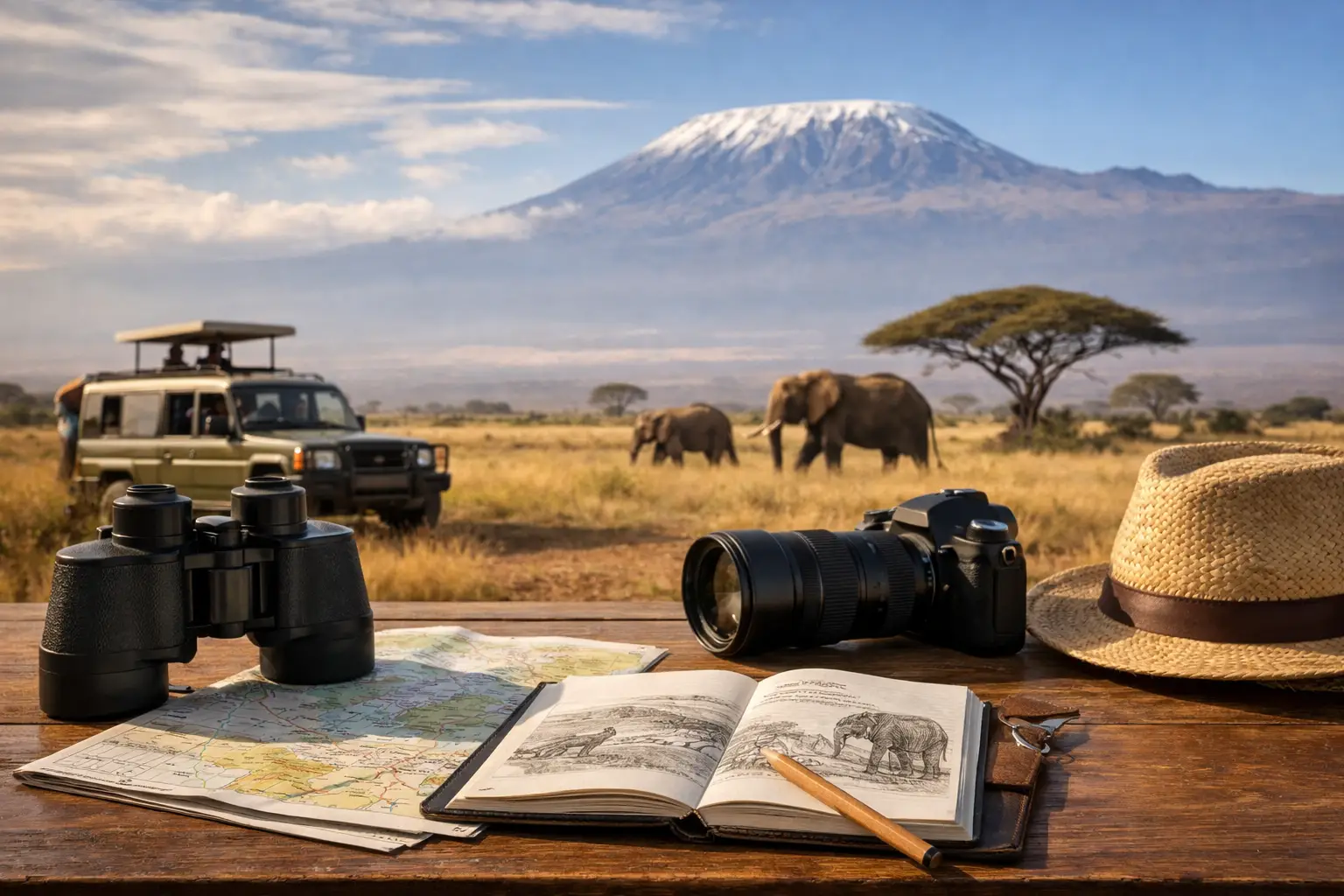
If your dream of Amboseli includes elephants crossing open plains with Mount Kilimanjaro rising behind them, timing matters more than most travelers expect. The best time for Amboseli depends on what you want most – dramatic wildlife sightings, clear mountain views, lighter crowds, greener scenery, or better value.
Amboseli is one of Kenya’s most rewarding parks year-round, but it does not feel the same in every season. We guide travelers here in different months, and the experience can shift from dry, dusty game drives packed with wildlife to lush landscapes with softer light, fewer vehicles, and a quieter pace. That is why choosing your dates should be part of building the safari, not an afterthought.
Best time for Amboseli by season

For most travelers, the best time for Amboseli is during the dry season, usually from June to October and again from January to February. These months are the most reliable for wildlife viewing because animals gather more predictably around water sources, vegetation is thinner, and roads are generally easier to navigate.
This is also when many guests get the classic Amboseli look they have seen in photos. On clear mornings, Kilimanjaro is often visible, and the dry plains make it easier to spot elephants, buffalo, zebra, wildebeest, and predators moving through open country. If this is your first safari in Kenya, or you are planning a once-in-a-lifetime honeymoon or family trip, these months are usually the safest choice.
The wetter periods, especially March to May and sometimes November, offer a different kind of beauty. The park turns greener, birdlife becomes more active, and there is a freshness in the landscape that many photographers love. The trade-off is that wildlife can spread out more, some roads may become muddy, and mountain views can be less predictable because of cloud cover.
Dry season in Amboseli
June to October
This is the peak safari window for good reason. Wildlife is easier to find, conditions are comfortable for game drives, and the park usually delivers those broad, sunlit views that make Amboseli famous. Elephants are the stars here, and large herds are often seen moving across the marshes and plains.
These months also suit travelers combining Amboseli with other classic safari areas such as Masai Mara, Lake Nakuru, or Tsavo. If you want a polished itinerary with strong wildlife viewing throughout, this period works very well.
The only real drawback is demand. Lodges with the best views and locations can book quickly, especially for summer travel and early fall. Prices are often higher too, so if your dates are fixed, it helps to plan early.
January to February
This is another excellent dry window and, for some travelers, an even better one. The park is still rewarding for wildlife, the skies are often clear, and Kilimanjaro views can be beautiful in the early morning. It is a very appealing time for couples, photographers, and travelers who want strong safari conditions outside the mid-year rush.
These months can feel a little calmer than the main June to October season, although premium properties still fill up fast. If you are looking for a private, well-paced luxury safari without the busiest holiday crowds, this is a smart time to consider.
Green season in Amboseli
March to May
This is the long rainy season, and it changes the mood of Amboseli completely. The park becomes greener and more atmospheric, and there is a softer, more dramatic quality to the light. For repeat visitors or travelers who care as much about landscape and mood as checklist wildlife viewing, this can be a lovely time.
But it is not the easiest season for everyone. Rain can affect road conditions, and some game drives may be slower and less predictable. If seeing Kilimanjaro is high on your list, cloud cover can be frustrating. This is one of those periods where expectations matter – the park is still beautiful, but it may not deliver the postcard version every day.
November to December
The short rains are usually lighter and less disruptive than the long rains. You may still get green scenery, fewer visitors, and good wildlife activity, especially if showers are brief. This can be an appealing shoulder season for travelers who want a balance between value and experience.
December can also become busier around the holidays, so the first half of the month often feels easier than the festive peak. If you are flexible, this can be a very rewarding time to travel.
When is the best time for Amboseli wildlife viewing?
If your priority is game viewing, the best time for Amboseli is usually the dry season. Wildlife is more concentrated, and the sparse vegetation makes sightings simpler and more satisfying. Amboseli is especially known for its elephant population, and dry conditions often make their movements easier to follow across the park.
That said, Amboseli is not only about big game density. It is a place of marshes, open plains, acacia woodland, and changing light. Even in greener months, there is plenty to see, including giraffe, hyena, zebra, antelope, hippo, and a rich variety of birdlife. Some travelers prefer the greener season precisely because the park feels more alive and less dusty.
If you are traveling with children or first-time safari guests, dry months tend to feel more straightforward. There is less waiting, less weather disruption, and a better chance that every game drive feels productive.
Best month for Kilimanjaro views

Best time for Amboseli This is the question many people really mean when they ask about Amboseli. The mountain is there all year, but seeing it clearly is not guaranteed every day. Early mornings are usually your best chance, especially in drier months such as January, February, and from June through October.
Cloud often builds later in the day, so a sunrise game drive matters. Travelers who sleep in and go out mid-morning sometimes miss the moment entirely. If those iconic views matter to you, choose a lodge with a strong position for mountain-facing game drives and plan to be out early.
A clear point of honesty here – nobody can promise Kilimanjaro on demand. Even in the best season, weather does what it wants. What good planning does is tilt the odds strongly in your favor.
Best time for Amboseli for lower prices and fewer crowds
If you are more value-conscious, or simply prefer a quieter safari,Best time for Amboseli, the shoulder and green seasons can be excellent. March to May often brings lower rates, and November can offer a useful middle ground between price and experience.
This does not mean a cheap safari in the mass-market sense. It means you may be able to stay in a stronger lodge, upgrade to a better room category, or add another destination to your Kenya trip for the same budget you would spend in peak season. For honeymooners and couples who want a more private atmosphere, that trade-off can be very appealing.
The key is to be realistic. Lower prices usually come with some weather risk. If your trip is built around perfect mountain views every morning, peak dry months are still the safer option.
How many days do you need in Amboseli?
For most travelers, two to three nights in Amboseli is ideal. That gives you enough time for early morning drives, sunset game viewing, and at least a fair chance of seeing Kilimanjaro clearly. It also allows the park to feel unhurried, which is part of its charm.
Amboseli works especially well in a broader Kenya itinerary. Many international travelers combine it with Nairobi, Masai Mara, Tsavo, or a beach stay on the coast. If you want variety, that combination gives you open savannah, elephant country, and time by the Indian Ocean in one well-balanced trip.
So, what is the right time for you?

If you want the classic first-time safari experience, go in the dry season, especially June to October or January to February. If you care about greener scenery, softer rates, and a more relaxed feel, consider November or even the rainy months with the right expectations.
The best time for Amboseli is not exactly the same for every traveler. A honeymoon couple may want privacy and beautiful light. A family may want easy wildlife viewing and simple logistics. A photographer may happily accept a little rain in exchange for dramatic skies and color in the landscape.
That is why the smartest safari plans are built around your priorities, not just a calendar. At Safari Kenya Holiday, we help travelers match the season to the style of trip they actually want – whether that means elephant-filled mornings in peak safari season or a quieter Amboseli stay as part of a custom Kenya journey. Choose the month that fits your version of the experience, and Amboseli will reward you for it.


