
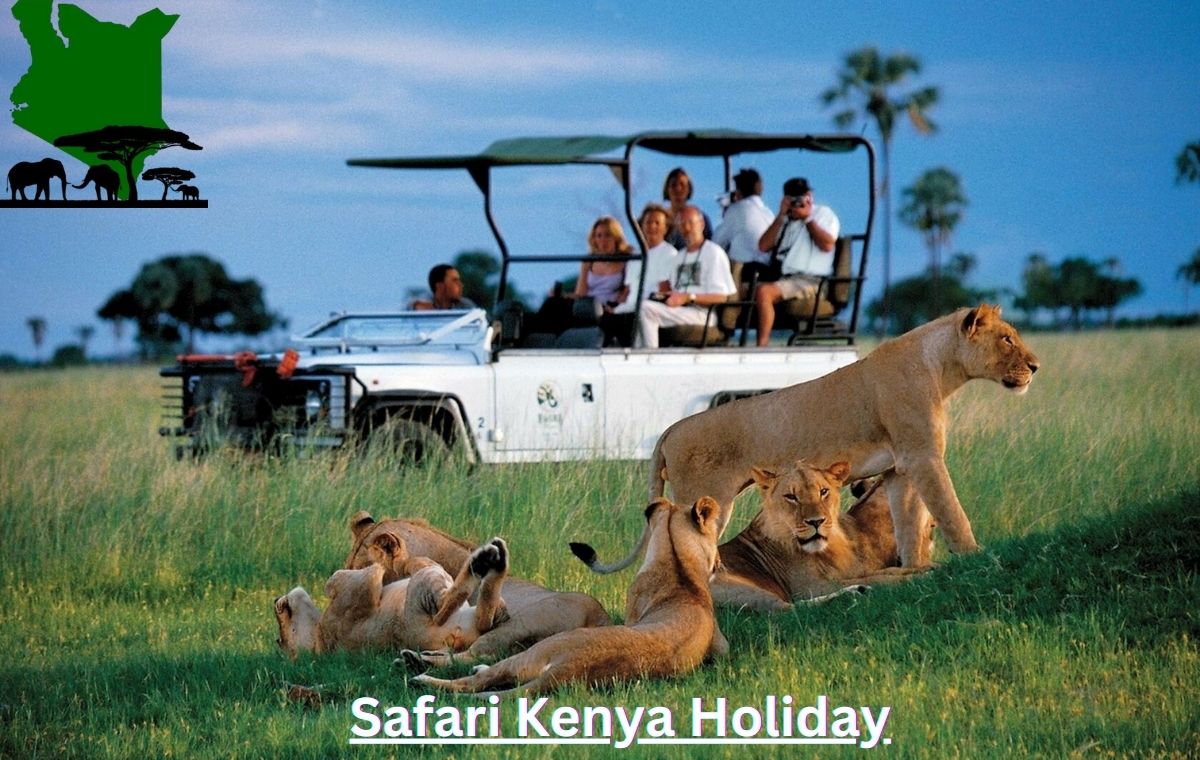
Kenya safari tours remains one of the few safari destinations where seeing iconic wildlife doesn’t have to come with an inflated price tag. With the right planning, an experienced local team, and realistic expectations, it’s entirely possible to enjoy a meaningful safari that feels personal, well-paced, and professionally guided, without paying for unnecessary extras.
At Safari Kenya Holiday, affordability is approached as smart design rather than cost-cutting. Our safari tours are shaped by on-the-ground knowledge, long-standing relationships with parks and lodges, and an understanding of what international travelers actually value. The result is a safari experience that feels considered and authentic, built around wildlife encounters, not glossy marketing.
Understanding What Makes a Kenya Safari tours Truly Affordable

A safari’s price is rarely about a single factor. It’s the outcome of multiple decisions, where you go, when you travel, how you move, and who plans the journey. Understanding these elements helps travelers recognize real value rather than assuming that cheaper always means lower quality.
Many budget safari pages focus on headline prices but skip the details that matter most. An affordable safari should still include experienced guides, reliable vehicles, well-chosen accommodations, and enough time in the parks to make wildlife viewing worthwhile.
Price Factors That Influence Safari Costs
Seasonality plays a major role. Traveling outside peak migration months often reduces park fees and lodge rates, while wildlife sightings remain excellent. Park selection also matters, some reserves offer equally rich experiences at a lower daily cost than marquee destinations.
Group size, accommodation type, and road transfers versus flights all affect pricing. A well-planned road safari with a private guide can often deliver better value than a rushed itinerary built around expensive internal flights.
Budget vs Value: Where Smart Travelers Save
Smart savings come from cutting inefficiencies, not essentials. Shortening transfer times, avoiding one-night stops, and choosing locally owned lodges often lowers costs while improving the experience. Paying less for accommodation does not mean sacrificing comfort, it often means staying somewhere more authentic.
The biggest value comes from thoughtful itinerary design. A slightly longer stay in fewer parks usually costs less and delivers deeper wildlife encounters than a packed, fast-moving schedule.
Private vs Group Safari Tours in Kenya
Choosing between a private and a shared safari is less about budget alone and more about travel style. Both can be affordable when structured correctly, but they offer very different experiences.
For travelers who value flexibility, privacy, and control over pacing, private safaris often make more sense than expected. Shared tours appeal to those prioritizing the lowest possible entry price and social interaction.
Why Private Safaris Can Still Be Budget-Friendly
Private safaris eliminate compromises. Your route, daily schedule, and wildlife interests shape the journey. Costs stay manageable when trips are planned efficiently, using the same parks, roads, and accommodations as group tours, but without the rigid timetable.
For couples, families, or small groups, the per-person difference is often smaller than assumed. The added comfort, better wildlife positioning, and personal guide attention frequently outweigh the modest price increase.
When Shared Safaris Make More Sense
Shared safaris suit solo travelers or those with limited time and fixed dates. They work best on popular routes like Maasai Mara during high season, where demand keeps prices competitive.
The trade-off is flexibility. Game drives follow a set schedule, and group preferences influence decisions. For some travelers, this structure is reassuring; for others, it feels restrictive.
Best National Parks for Affordable Safari Experiences
Not all of Kenya’s wildlife parks come with the same cost structure. Some are globally famous and priced accordingly, while others quietly deliver outstanding game viewing at a lower daily expense. Choosing the right mix of parks is one of the most effective ways to keep a safari affordable without diluting the experience.
An experienced planner looks beyond popularity and focuses on wildlife density, travel time, and park fees. This approach often results in fuller days on safari and fewer hours spent in transit, both better for your budget and your enjoyment.
Maasai Mara for First-Time Safari Travelers
The Maasai Mara remains Kenya’s most iconic reserve for a reason. Year-round wildlife concentrations, open landscapes, and high predator activity make it rewarding even on shorter itineraries. While it’s not the cheapest park, it offers strong value when time is limited.
Costs can be controlled by traveling outside peak migration months or combining the Mara with nearby conservancies or mid-range lodges. Done thoughtfully, even a short Mara safari can feel rich and unrushed.
Amboseli, Tsavo, and Lake Nakuru as Cost-Effective Alternatives
Amboseli offers dramatic elephant encounters against Mount Kilimanjaro at a lower cost than many expect, particularly outside peak season. Tsavo East and West, with their vast landscapes, provide excellent value for travelers seeking fewer crowds and longer game drives.
Lake Nakuru adds diversity at a modest price, known for rhinos and birdlife. These parks pair well with the Maasai Mara or stand alone as affordable safari destinations in their own right.
Choosing the Right Safari Duration and Itinerary
Safari length directly affects both cost and experience. More days don’t always mean better value, and shorter trips aren’t always cheaper once logistics are considered. The key is matching duration to distance and park density.
Well-paced itineraries reduce wasted travel days and allow wildlife viewing to remain the focus rather than constant movement between locations.
Short Safaris (2–4 Days): Who They’re Best For
Short safaris work best for travelers already in Kenya or those with limited time. Popular routes like Nairobi to Maasai Mara make sense for these trips, minimizing driving and maximizing time in the park.
They are cost-effective when expectations are realistic. A short safari should aim for immersion in one area rather than trying to cover multiple parks too quickly.
Mid-Length Safaris (5–7 Days): Balance of Cost and Coverage
This range offers the best overall value for most travelers. It allows for multiple parks, varied landscapes, and enough game drives to relax into the rhythm of safari life.
Costs remain controlled because travel days are spread out, and accommodation choices can be balanced. For first-time visitors, this duration often delivers the most satisfying experience.
Longer Safaris: When They Actually Save You Money
Longer safaris can reduce daily costs by spreading fixed expenses over more days. Extended stays in fewer locations often unlock better lodge rates and create deeper wildlife encounters.
These itineraries suit travelers who prefer slow travel and want to avoid the rush of short, high-intensity schedules. Over time, they often feel both richer and more economical.
When to Visit Kenya for the Best Safari Deals
Timing is one of the most underestimated factors in safari pricing. Kenya’s wildlife is present year-round, but costs fluctuate significantly depending on travel season, school holidays, and migration patterns. Knowing when not to travel can be just as valuable as knowing the best months.
Affordable travel doesn’t mean compromising wildlife encounters. In many cases, quieter seasons deliver more relaxed game drives, better guide availability, and noticeably lower prices.
Low Season vs High Season Pricing
High season coincides with the Great Migration and major international holidays, pushing lodge rates and park demand to their peak. These months are spectacular but expensive.
Low and shoulder seasons offer strong value. Parks are greener, lodges discount rooms, and vehicles are fewer on game drives. Wildlife viewing remains excellent, especially for predators and resident species.
Wildlife Viewing Without Peak-Season Prices
Contrary to popular belief, you don’t need migration crossings to enjoy an exceptional safari. Elephant herds, lions, leopards, and rhinos are present throughout the year in many parks.
Traveling just before or after peak months often delivers the best balance, favorable weather, active wildlife, and noticeably reduced costs without feeling like an “off-season” compromise.
How We Design Affordable Safari Tours Without Compromising Quality
Affordability isn’t achieved by stripping a safari down to its bare minimum. It comes from experience, local partnerships, and honest planning. Every itinerary is built around what genuinely improves the safari rather than what inflates the price.
At Safari Kenya Holiday, design starts with understanding how travelers want to experience Kenya, not how many destinations can be listed on a page.
Local Guides, Local Lodges, and Responsible Planning
Working with local guides and community-linked lodges keeps costs grounded while supporting conservation and livelihoods. These partnerships often provide better access, deeper knowledge, and more flexibility than large chain operations.
Experienced guides know when to linger, when to move, and how to read animal behavior, skills that elevate the safari without adding expense.
Transparent Pricing and Custom Trip Design

Clear pricing builds trust. Knowing what’s included, what’s optional, and where upgrades make sense helps travelers plan confidently.
Custom design avoids wasted days and unnecessary extras. By aligning expectations with realistic itineraries, the safari feels personal, efficient, and genuinely good value.
Who These Safari Tours Are Best Suited For
Affordable safaris are not one-size-fits-all. They work best when matched to the right traveler expectations, travel pace, and comfort preferences. Understanding who benefits most from these itineraries helps ensure the experience feels rewarding rather than restrictive.
Well-planned budget-conscious safaris often appeal to travelers who value wildlife, guidance, and authenticity over luxury branding and unnecessary add-ons.
Couples, Families, and First-Time Safari Travelers
Couples and families often find private, affordable safaris especially appealing. Shared costs across a small group make private guiding realistic, while flexible pacing keeps days enjoyable rather than rushed.
For first-time safari travelers, affordability paired with strong guidance reduces stress. Clear planning, realistic itineraries, and experienced drivers help travelers focus on the experience rather than logistics.
International Travelers
Travelers coming from long-haul destinations often want maximum value from limited time. Affordable itineraries designed with efficient routes and reliable accommodations meet this need well.
Clear communication, transparent pricing, and local expertise build confidence for international guests booking remotely. The result is a safari that feels well-supported from planning through arrival.
Planning and Booking Your Kenya Safari with Confidence
Booking an affordable safari shouldn’t feel uncertain. Clear timelines, realistic budgeting, and honest advice make the process straightforward and reassuring.
With the right preparation, travelers avoid last-minute price spikes and ensure availability without locking themselves into rigid plans. Plan and book your Kenya safari with confidence today at Safari Kenya Holiday.
How Far in Advance to Book
Booking several months ahead usually secures better accommodation options and stable pricing, particularly for popular parks. Shoulder and low seasons allow for more flexibility, but early planning still offers peace of mind.
Last-minute bookings can work, though choices may be limited. A knowledgeable local operator helps navigate availability without inflating costs.
What’s Included and What to Budget Separately
Most affordable safaris include park fees, guiding, accommodation, meals, and transport. Extras such as tips, drinks, optional flights, and personal expenses should be budgeted separately.
Understanding these details upfront prevents surprises and helps travelers compare packages accurately, based on value, not just price.
How much does a private safari cost in Kenya?
Private safari costs vary based on duration, parks, and accommodation style. On average, affordable private safaris start at a few hundred dollars per person per day when traveling as a couple or small group, especially outside peak season.
How can I do a Kenya safari on a budget?
Travel during shoulder or low seasons, limit the number of parks, and choose road-based itineraries. Working with a local operator helps reduce costs while keeping guides, vehicles, and wildlife viewing standards high.
What is the cheapest safari option in Kenya?
Budget camping safaris and short road trips to nearby parks are typically the most affordable. Shared safaris also reduce per-person costs, though they offer less flexibility than private tours.
Is Kenya or Tanzania cheaper for safari?
Kenya is generally more affordable due to lower park fees, shorter travel distances, and a wider range of budget accommodations. Tanzania safaris tend to be more expensive, particularly in the Serengeti and Ngorongoro.
How many days are enough for a Kenya safari?
Five to seven days is ideal for most travelers. This allows time to visit multiple parks without rushing and provides enough game drives to fully enjoy wildlife encounters.
What is the best month for an affordable safari in Kenya?
April, May, and November often offer the best value. These months combine lower lodge rates with good wildlife viewing and fewer crowds.
Is Maasai Mara worth visiting on a budget?
Yes, when planned well. Visiting outside peak migration months or choosing mid-range lodges makes the Maasai Mara accessible without significantly increasing costs.
Can a private safari still be affordable in Kenya?
Absolutely. Private safaris become affordable when costs are shared among two or more travelers and itineraries are efficiently designed without unnecessary flights or luxury add-ons.
How far in advance should I book a safari?
Booking three to six months in advance is recommended for better choice and pricing. Popular seasons and parks may require earlier planning.
Which part of Kenya is best for first-time safari travelers?
The Maasai Mara is the most popular choice, but Amboseli and Lake Nakuru are also excellent for first-time visitors, offering strong wildlife viewing and easier logistics at a lower cost.


