
Disfruta del Safari en Kenia y Trae a Tus Amigos a la Aventura Salvaje

Protected: Watamu Marine National Park & Reserve | Explore Paradise
There is no excerpt because this is a protected post.

There is no excerpt because this is a protected post.
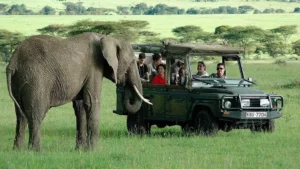
Kenya is the heart of African safaris, offering breathtaking landscapes, abundant wildlife, and world-class safari experiences. African Safari Packages Kenya are designed to give travelers an authentic encounter with nature, from the legendary Masai Mara plains to the elephant-rich Amboseli and the vast wilderness of Tsavo. Whether you’re a first-time visitor or a seasoned explorer, Kenya delivers safari experiences that are both thrilling and unforgettable. Choosing the right African safari package in Kenya allows you to enjoy seamless travel, expert-guided game drives, and comfortable accommodations while exploring Africa’s most iconic national parks. Why Choose African Safari Packages Kenya Kenya stands out as one of the best safari destinations in Africa due to its diversity, accessibility, and professional tourism infrastructure. African safari packages in Kenya offer unmatched value and variety. Key Reasons to Choose Kenya African Safari Packages Kenya are ideal for couples, families, solo travelers, and adventure seekers. Types of African Safari Packages Kenya Kenya offers safari packages to suit every travel style and budget. All-Inclusive African Safari Packages These packages include: All-inclusive African safari packages in Kenya are perfect for travelers seeking a hassle-free experience. Budget African Safari Packages Designed for cost-conscious travelers without compromising wildlife experiences: Budget safari packages Kenya are popular among backpackers and first-time visitors. Luxury African Safari Packages Luxury safaris focus on comfort and exclusivity: Luxury African Safari Packages Kenya provide a once-in-a-lifetime experience. Private & Custom Safari Packages Ideal for families, honeymooners, or photographers: Top Destinations Included in African Safari Packages Kenya Masai Mara National Reserve Masai Mara is the highlight of most African safari packages Kenya. Amboseli National Park Known for: Tsavo East & Tsavo West National Parks Together forming Kenya’s largest park system: Lake Nakuru National Park Lake Naivasha Samburu National Reserve Best Time to Book African Safari Packages Kenya Kenya is a year-round safari destination, but timing matters depending on your goals. Peak Season (July–October) Shoulder Season (January–March) Low Season (April–June) Booking African Safari Packages Kenya early ensures better lodge availability and pricing. What’s Included in African Safari Packages Kenya Most safari packages include essential services to ensure comfort and safety. Standard Inclusions Optional Add-Ons How to Choose the Right African Safari Package Kenya Selecting the right safari package depends on several factors. Consider Your Budget Safari Duration Group or Private Safari Travel Style Sample African Safari Packages Kenya 3-Day Masai Mara Safari 5-Day Kenya Wildlife Safari 7-Day Luxury African Safari Travel Tips for African Safari Packages Kenya Good preparation ensures a smooth and enjoyable African safari experience. FAQs – African Safari Packages Kenya 1. What wildlife can I see with African Safari Packages Kenya? You can see the Big Five, giraffes, zebras, wildebeests, cheetahs, hippos, crocodiles, and hundreds of bird species. 2. Are African safari packages in Kenya family-friendly? Yes, many lodges and safari packages are suitable for families and children. 3. How much do African Safari Packages Kenya cost? Prices vary by season and comfort level, ranging from budget-friendly options to high-end luxury safaris. 4. Do safari packages include park fees? Most African Safari Packages Kenya include park and conservancy entrance fees. 5. Can I customize my African safari package? Yes, many operators offer tailor-made and private safari packages. Conclusion African Safari Packages Kenya offer an unmatched opportunity to explore Africa’s most iconic wildlife destinations with comfort, safety, and expert guidance. From the legendary Masai Mara to the scenic lakes and vast savannahs, Kenya delivers unforgettable safari experiences for every traveler. Whether you choose a budget safari or a luxury adventure, booking the right African safari package in Kenya guarantees memories that will last a lifetime.
Embarking on a Kilimanjaro Trekking Adventure: 6 Days of Awe and Wonder Introduction to Kilimanjaro Trekking Climbing Mount Kilimanjaro is a journey like no other—an expedition filled with breathtaking views and unforgettable experiences. For those considering a Kilimanjaro trekking adventure, the 6 days and 5 nights trek offers an ideal balance of challenge and enjoyment, allowing adventurers to soak in the stunning landscapes. Book your Kilimanjaro tour today! www.safarikenyaholiday.es Choosing Your Route The trek typically begins with several routes leading up to the summit. Each path presents its unique characteristics, ranging from scenic to challenging terrains. The most popular choice for trekkers seeking a moderate adventure is the Machame route. This route allows for acclimatization, which is crucial for successfully reaching the peak. Furthermore, the stunning scenery along the way adds to the overall trekking experience. What to Expect on Your Adventure During your 6-day trek, expect to witness diverse ecosystems, from lush rainforests to barrenness found near the summit. Trekkers will make new friends, share stories, and enjoy authentic meals prepared by skilled local guides. Each night spent camping beneath the stars solidifies the memories made along this remarkable Kilimanjaro trekking adventure. Your journey culminates in standing at Uhuru Peak, the highest point in Africa, as you soak in the exhilarating sense of achievement. A Kilimanjaro trekking adventure is more than just a climb; it’s a transformative experience that stays with you long after you return home. Book your Kilimanjaro tour today! www.safarikenyaholiday.es Kilimanjaro Trekking Adventure from Spain and Italy: Your Ultimate African Climb Experience Planning a Kilimanjaro trekking adventure from Spain or Italy is the perfect way to experience one of Africa’s most iconic challenges. Mount Kilimanjaro, the highest peak in Africa, offers breathtaking landscapes, diverse ecosystems, and an unforgettable journey to the summit. Whether you are traveling from Madrid, Barcelona, Rome, or Milan, reaching Tanzania is easier than ever with convenient international flights. This trekking adventure is suitable for both beginners and experienced hikers, thanks to a variety of routes such as Machame, Marangu, and Lemosho. Each route provides unique scenery, from lush rainforests to alpine deserts and snow-capped peaks. Professional guides and porters ensure your safety and comfort throughout the journey, allowing you to focus on the experience. For travelers from Spain and Italy, Kilimanjaro trekking packages often include airport transfers, accommodation, meals, park fees, and expert guidance. The best time to climb is during the dry seasons, from January to March and June to October, ensuring clearer views and better trekking conditions. A Kilimanjaro adventure is not just a hike—it is a life-changing experience that combines physical challenge with cultural immersion. Discover the beauty of Tanzania and push your limits while standing on the “Roof of Africa.” Conclusion A Kilimanjaro trekking adventure is one of the most rewarding travel experiences for visitors from Spain and Italy. It offers a unique opportunity to step out of your comfort zone and immerse yourself in the raw beauty of Africa. From the moment you begin your climb, you will be surrounded by stunning landscapes that change dramatically with altitude, creating a journey unlike any other in the world. For European travelers, especially those from Spain and Italy, Kilimanjaro is an accessible and well-organized destination. With professional guides, structured itineraries, and full support teams, even first-time trekkers can successfully reach the summit with proper preparation. The sense of achievement you feel at Uhuru Peak is truly unmatched. In addition to the climb, many travelers choose to extend their trip with a safari or a relaxing beach holiday in Zanzibar, making it a complete African adventure. This combination adds even more value to your journey and creates unforgettable memories. If you are looking for a once-in-a-lifetime experience that combines adventure, nature, and personal achievement, Kilimanjaro trekking is the perfect choice. Start planning your journey today and take the first step toward conquering Africa’s highest mountain. Book your Kilimanjaro tour today! www.safarikenyaholiday.es

Few mountain trips look simple on paper and feel humbling by day three. Trekking Kilimangaro is exactly that kind of adventure – achievable for many travellers with good preparation, but never something to underestimate. If Kilimanjaro is on your East Africa wish list alongside safari and coast, the difference between a hard slog and an unforgettable summit experience usually comes down to route choice, pacing, support, and honest planning. For many travellers from the UK and Europe, Kilimanjaro is not just a climb. It is part of a bigger dream African escape – a once-in-a-lifetime journey that might also include Amboseli views, a private safari in Kenya, or a few restorative days by the Indian Ocean. That makes smart planning even more important. You want the mountain to challenge you, not derail the rest of your holiday. BOOK NOW YOUR SAFARI IN AFRICA www.safarikenyaholiday.es Is trekking Kilimanjaro right for you? The first reassuring truth is this: Kilimanjaro is a non-technical mountain. You do not need ropes, ice axes, or advanced climbing experience on the standard routes. What you do need is stamina, determination, and respect for altitude. Most summit failures are not caused by lack of fitness alone. They happen because people choose routes that are too short, ascend too quickly, or arrive without understanding how demanding high altitude can feel. If you can walk for several hours on consecutive days, train consistently before travel, and stay mentally steady when conditions become cold and uncomfortable, Kilimanjaro can be a realistic goal. It suits active couples, private groups, honeymooners looking to add a bold adventure to a wider itinerary, and experience-led travellers who want more than a traditional safari. That said, it is not ideal for everyone. If you dislike camping, struggle badly with cold, or want every day of your holiday to feel indulgent and effortless, the mountain may not match your travel style unless you choose a route with better camp infrastructure and build in recovery time afterwards. The biggest mistake people make The most common planning error is choosing the cheapest or shortest itinerary. On Kilimanjaro, shorter is rarely better. A five-day climb may look efficient, but it gives your body less time to adapt to altitude. That lowers summit chances and raises the risk of a miserable experience. Longer routes usually mean a higher success rate, a more enjoyable pace, and better scenery. They cost more, but they often offer better value because they improve the odds of actually reaching Uhuru Peak. If this is a bucket-list trip, it makes little sense to cut corners on the element that matters most. Best routes for trekking Kilimanjaro Route choice shapes the entire journey. Some travellers care most about scenery, others about comfort, acclimatisation, or avoiding crowds. The Machame Route is one of the most popular options and for good reason. It is scenic, varied, and well suited to climbers who want a strong acclimatisation profile over six or seven days. Expect beautiful changes in landscape, from rainforest to moorland to alpine desert. It can be busy, especially in peak periods, but it remains a favourite because it balances challenge and summit potential well. The Lemosho Route is often the strongest choice for travellers wanting a more rewarding overall experience. It starts more quietly, offers excellent scenery, and gives more time to acclimatise. For premium travellers who value a better rhythm and a less rushed ascent, Lemosho is often worth the extra time and cost. The Marangu Route is sometimes chosen because it uses hut accommodation rather than tents. That appeals to travellers uneasy about camping. However, it is often less successful for acclimatisation because many departures are done over fewer days. The huts are practical rather than luxurious, so it should not be viewed as a comfort-first shortcut. The Rongai Route approaches from the north and is often drier than the southern routes. It can be a good option in certain seasons and for travellers wanting a quieter ascent. The trade-off is that some people find the scenery less dramatic than Machame or Lemosho. For most first-time climbers, seven or eight days on Lemosho or seven days on Machame is a sensible benchmark. BOOK NOW YOUR SAFARI IN AFRICA www.safarikenyaholiday.es When to go Kilimanjaro can be climbed for much of the year, but conditions vary. The driest and most popular periods are usually January to March and June to October. These months tend to offer better trail conditions and clearer views, although clear mornings can still give way to cloud, wind, and freezing summit temperatures. January to March is often slightly quieter and can be a lovely time to travel. June to October is popular because it aligns well with East African safari season. If you are combining mountain trekking with wildlife viewing in Kenya or Tanzania, this window often works beautifully. Rainy periods can make trails muddier, camps damper, and the overall experience more uncomfortable. Some travellers still climb then and succeed, but unless your dates are fixed, the drier months are usually the better choice. How hard is the altitude, really? This is the part many people underestimate. Kilimanjaro rises to 5,895 metres, and altitude affects each person differently. You can be fit, young, and well trained and still feel dreadful high on the mountain. Symptoms may include headache, nausea, dizziness, poor sleep, and unusual fatigue. Good operators manage this carefully. Daily health checks, sensible pacing, hydration reminders, and guides trained to recognise altitude sickness matter enormously. Summit night is the toughest stretch. You start in darkness, climb for hours in cold conditions, and reach the top after a long, draining push. That is normal. The key is to arrive at summit night as well acclimatised and well supported as possible. There is no guaranteed trick that makes altitude easy. Fitness helps, but time on the mountain helps more. Walk slowly, drink well, eat even when appetite drops, and listen to your guide. BOOK NOW YOUR SAFARI IN AFRICA www.safarikenyaholiday.es Training for Kilimanjaro

Seven days can feel ambitious for a Kenyan safari – until the route is planned properly. A well-paced 7 Days Masai Mara | Nakuru | Amboseli | Tsavo West itinerary gives you four of Kenya’s most rewarding safari regions in one private journey, without turning the trip into a blur of check-ins, long queues, and wasted road hours. This is the kind of safari that suits travellers who want variety as much as wildlife. You are not staying in one ecosystem and hoping each game drive feels different. Instead, you move from the open plains of the Masai Mara to the birdlife and rhino country of Lake Nakuru, then on to Amboseli’s elephant-rich landscapes beneath Kilimanjaro, before finishing in Tsavo West with its volcanic scenery, springs, and strikingly rugged terrain. For couples, honeymooners, families, and private groups, it delivers depth without needing two full weeks away. Why choose 7 Days Masai Mara, Nakuru, Amboseli, Tsavo West? The strength of this itinerary is contrast. The Masai Mara gives you classic big game viewing and that postcard sense of Africa many travellers picture before they arrive. Lake Nakuru changes the rhythm with a compact park known for rhinos, Rothschild’s giraffes, and excellent birdlife. Amboseli brings huge elephant herds and some of the best views of Mount Kilimanjaro when the skies are clear. Tsavo West finishes the journey with a wilder, more dramatic feel – less about open-grassland spectacle and more about scenery, hidden springs, lava flows, and a sense of space. It also works well logistically if handled by an experienced local team. The distances are real, and this is not a route to piece together casually with multiple separate bookings. Timing matters. Lodge choice matters. So does knowing when to use road transfers, where early starts are worth it, and which parks deserve longer game drives rather than rushed stopovers. A day-by-day safari flow Day 1 – Nairobi to Masai Mara Your safari usually starts with an early departure from Nairobi, either by road or with a flight option depending on your preferred style and budget. By road, the journey lets you see the changing landscapes of the Great Rift Valley before reaching the Mara in time for lunch and an afternoon game drive. That first drive often sets the tone for the whole trip. Even in a short outing, sightings can include elephants, giraffes, zebra, buffalo, and big cats if luck is on your side. Between July and October, migration season adds even more drama, but the Masai Mara is strong year-round. Outside migration months, predator sightings are still excellent, and the reserve feels less crowded in some areas. Day 2 – Full day in the Masai Mara A full day here gives you the safari depth many shorter itineraries miss. You can head out with picnic lunch for extended game viewing, or split the day into morning and afternoon drives if you prefer more time at camp. The better option depends on where wildlife is moving and on your own pace. This is where private travel makes a real difference. You are not tied to a group timetable, and that flexibility matters when lions are active at dawn or cheetahs are on the move across the plains. If this is a honeymoon or special anniversary trip, many travellers also add a bush breakfast, sundowner, or optional balloon safari for something more memorable. Lake Nakuru – a rewarding contrast after the Mara Day 3 – Masai Mara to Lake Nakuru After breakfast, you travel onwards to Lake Nakuru National Park. This is a transfer day, but not a wasted one. The change in landscape is part of the appeal, and arriving in Nakuru brings a different safari mood altogether. Lake Nakuru is especially valued for rhino viewing. Both black and white rhinos are found here, and the park’s protected status makes it one of the better places in Kenya to see them well. Depending on season and water levels, the lake may also hold large numbers of flamingos and other water birds, though bird concentrations can vary. That is worth saying clearly because old-style marketing often promises a fully pink shoreline every time, and nature does not work to a script. Day 4 – Lake Nakuru to Amboseli After an early game drive or breakfast departure, you continue to Amboseli. This is one of the longer travel sections of the itinerary, so comfort, vehicle quality, and route planning matter. Done properly, the move is manageable and worthwhile because Amboseli offers an entirely different wildlife setting. By late afternoon, if the weather plays along, you may get your first sight of Kilimanjaro rising beyond the plains. It is one of East Africa’s great safari views. Even when the summit is hidden by cloud, the landscape still feels cinematic. Amboseli – elephants, open views, and Kilimanjaro Day 5 – Amboseli game drives Amboseli is famous for its elephants, and with good reason. The herds here are large, often easy to observe, and particularly rewarding for photographers. You also have strong chances of seeing buffalo, wildebeest, zebra, hyena, and lion, with countless birds around the swamps and wetlands. What makes Amboseli special is the combination of wildlife and visibility. In thicker bush country, you may hear animals before you see them. In Amboseli, the open terrain often lets you watch behaviour unfold at a distance before moving in for a closer look. For guests who want those classic elephant silhouettes against Kilimanjaro, early morning is usually best, though mountain views always depend on cloud cover. Luxury travellers often appreciate Amboseli for another reason – some camps and lodges here balance strong game viewing with a more intimate, high-comfort atmosphere. After several days on safari, that matters. A good lodge is not just a bed for the night; it shapes the whole pace of the journey. Tsavo West – a dramatic final chapter Day 6 – Amboseli to Tsavo West The drive to Tsavo West introduces yet another side of Kenya. The park
Three days can be enough to see Kenya at its most iconic – elephant herds beneath Mount Kilimanjaro, open savannah alive with wildlife, and the red-earth drama of Tsavo East. If you are searching for a 3 Days Amboseli kilimanjaro tsavo est itinerary, the real question is not whether it can be done, but how to do it well without feeling rushed. This is the kind of short safari that suits travellers who want a premium wildlife experience within a wider Kenya holiday. It works especially well for couples, honeymooners, and private groups combining safari time with a beach stay or a Nairobi arrival. The route gives you two very different park experiences in a compact window, with Amboseli delivering postcard views and Tsavo East bringing scale, variety, and that classic untamed feel many visitors imagine when planning their first African safari. Why choose a 3 Days Amboseli Kilimanjaro Tsavo Est trip? A longer safari always allows more depth, but three days has genuine advantages. It is efficient, easy to combine with the coast, and focused on high-impact experiences. Amboseli is one of Kenya’s best parks for seeing elephants at close range, often in large family groups, with Kilimanjaro creating a spectacular backdrop when the skies are clear. Tsavo East, by contrast, feels bigger, wilder, and less polished. That contrast is exactly why the combination works. You are not trying to cover half the country. You are choosing two parks with different personalities and making the most of each. For many international travellers, that balance is ideal. Amboseli offers the famous scenery and reliable game viewing, while Tsavo East adds a sense of wilderness, broader landscapes, and a chance to spot species in a setting that feels more remote. There is, however, a trade-off. A three-day safari is about smart pacing, not lingering. Early starts matter. Road transfers need to be planned realistically. Accommodation choice also makes a difference, because a well-positioned lodge can save time and improve your actual safari hours. What the itinerary usually looks like A well-designed 3 Days Amboseli Kilimanjaro Tsavo Est safari normally begins with an early departure, either from Nairobi or from the coast depending on your wider holiday plans. If starting from Nairobi, day one is usually dedicated to the journey to Amboseli, arrival at your lodge or camp, lunch, and an afternoon game drive. That first drive often sets the tone immediately. Amboseli is known for its open terrain, which makes wildlife easier to spot than in thicker bush country. Elephants are the headline act, but there is also a strong chance of seeing buffalo, giraffe, zebra, wildebeest, gazelle, hyena, and plenty of birdlife. Lions are present as well, although sightings depend on luck and timing, as with any genuine safari. Day two is generally the transition day, with an early morning game drive in Amboseli before heading onwards to Tsavo East. This is where experienced local planning matters. The route should feel purposeful rather than exhausting, with the timing built around actual wildlife viewing instead of simply covering distance. On arrival in Tsavo East, an afternoon game drive usually follows, introducing a different mood entirely – wider horizons, red-dusted elephants, and a landscape that feels rugged and expansive. Day three is often an early game drive in Tsavo East before departure to your next destination, such as Mombasa, Diani, Watamu, Malindi, or back to Nairobi. If your holiday continues on the coast, this safari makes an especially strong pairing. You get a compact but memorable wildlife experience, then move into beach relaxation without needing a separate long domestic itinerary. Amboseli: the Kilimanjaro moment travellers come for Amboseli has earned its reputation. 3 Days Amboseli Kilimanjaro Tsavo Est Safari It is not just about seeing wildlife, but about seeing it in one of East Africa’s most recognisable settings. When Kilimanjaro is visible, the views can be extraordinary. The mountain itself sits across the border in Tanzania, but the classic photographs are often taken from Kenya’s Amboseli plains. That said, the mountain is not visible all day, every day. Cloud cover is common, especially later in the morning. The best chances often come at dawn and around sunset. This is why overnighting in or near the park matters. Travellers who treat Amboseli as a quick pass-through often miss the atmosphere that makes it special. Beyond the scenery, Amboseli is prized for its elephant population. These are some of the most studied elephants in Africa, and many visitors are struck by the size of the bulls and the calm, deliberate movement of the herds. The swamp areas also attract a concentration of animals, which helps during shorter safaris because game viewing can be productive even when time is limited. Tsavo East: bigger, wilder, less predictable Tsavo East offers a very different safari rhythm.3 Days Amboseli Kilimanjaro Tsavo Est Safari It does not present itself in the same immediate way as Amboseli. Instead, it rewards travellers who appreciate space, atmosphere, and the feeling of being in a truly vast ecosystem. This is one of Kenya’s oldest and largest national parks, and it carries a raw character that many repeat safari travellers actively seek out. The red elephants of Tsavo are famous for a reason. They dust themselves in the park’s distinctive soil, giving them a rich, rusty colour that stands out beautifully in photographs. The park is also known for lions, giraffe, zebra, buffalo, antelope species, and dramatic landmarks such as Aruba Dam, where animals often gather. Because Tsavo East is so large, sightings can feel less concentrated than in smaller parks. That is not a weakness – it is part of the appeal. The experience feels more exploratory. On a private safari, your guide can adapt routes based on recent wildlife movements, weather, and the time of day, which gives you a far better experience than following a fixed, generic schedule. Is this safari right for you? This route suits travellers who want variety without committing to a full week on safari. 3